
Industrial Electrician Trade Test Preparation in Multan
Looking to prepare for an industrial electrician trade test? Build your understanding of electrical safety, wiring diagrams, industrial electrical equipment, and practical assessment fundamentals with guidance from Ashtar Trade Test Centre in Multan.
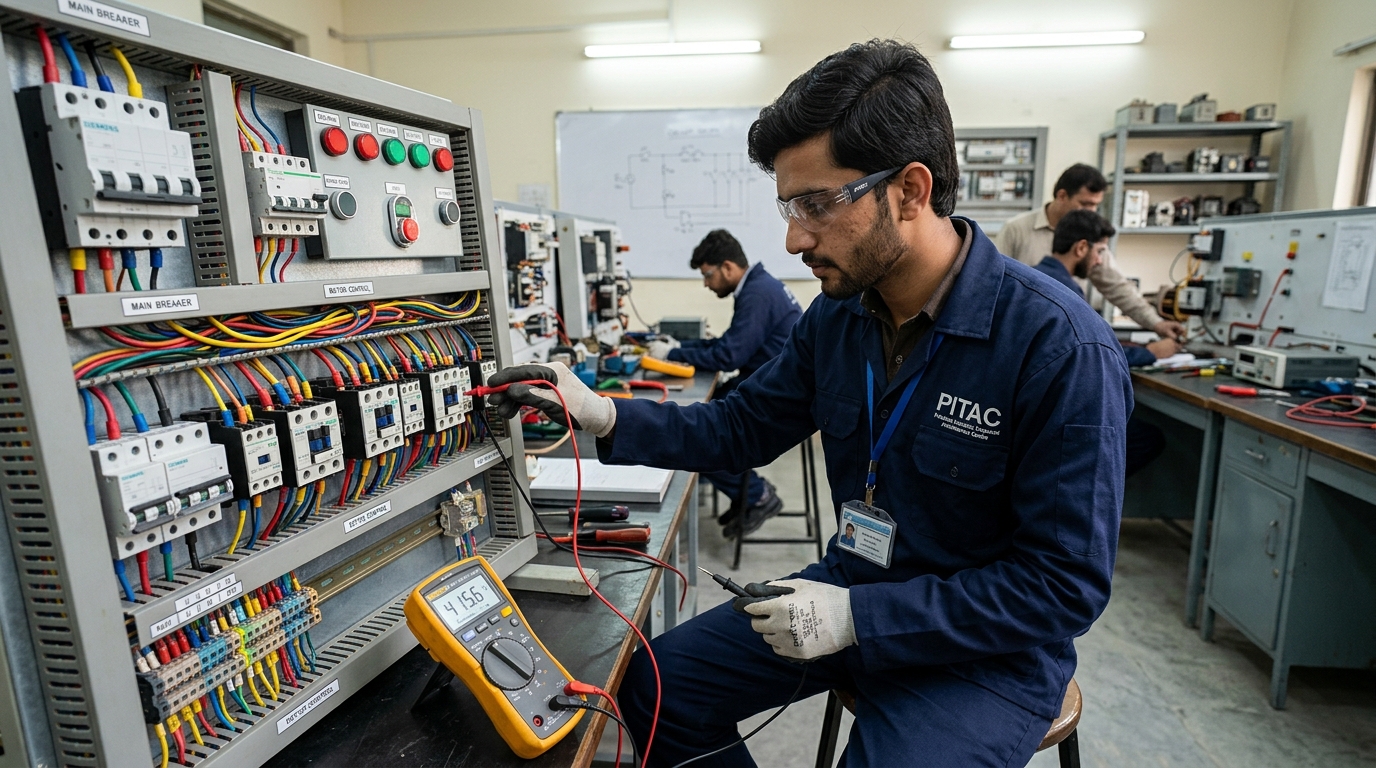
Hands-on Control Panel Wiring
Industrial Electrical Test Workshop Rehearsal
Rehearse timed panel wiring, motor starter hookups, and diagnostic troubleshooting under the observation of senior instructors.
Why Rigorous Electrical Skills Matter in Industrial Environments
Industrial electrical systems involve high-voltage power distribution, automated machinery, and continuous production lines. Overseas employers and domestic plants evaluate candidates rigorously because an electrical error can cause equipment destruction, fire hazards, or severe bodily injury.
Zero-Harm Electrical Safety
Testing boards prioritise life safety above all. Knowing how to isolate circuits, apply Lockout/Tagout (LOTO), and verify de-energisation is mandatory before touching any panel.
Systematic Fault Finding
Random component replacement is unacceptable in industrial plants. Trade tests evaluate whether you follow structured continuity, voltage drop, and ground fault diagnostic logic.
Diagram & Blueprint Literacy
Schematics and Single Line Diagrams (SLD) are the universal language of industrial electrical engineering. Translating schematic symbols into physical panel connections is a core test metric.
Motors & Starter Reliability
Electric motors power pumps, conveyors, and compressors. Demonstrating correct wiring for DOL, forward-reverse, and Star-Delta starters proves your readiness for factory plant maintenance.
Key Industrial Electrician Preparation Topics
Review the six core competency areas tested during industrial electrician trade examinations, technical interviews, and overseas recruitment assessments.
Electrical Safety
Safe working practices, hazard awareness, lockout/tagout (LOTO) procedures, and appropriate personal protective equipment (PPE).
Key Focus Areas:
- Safe isolation and zero-voltage verification procedures
- Lockout / Tagout (LOTO) application and padlock rules
- Arc flash awareness and electrical hazard zoning
- Mandatory PPE: Insulated footwear, gloves, and eye protection
Wiring Diagram Interpretation
Understanding international schematic symbols, ladder diagrams, single-line diagrams (SLD), and technical control documentation.
Key Focus Areas:
- Standard IEC and NEMA electrical schematic symbols
- Single-Line Diagrams (SLD) and distribution board layouts
- Control and power circuit separation and terminal markings
- Tracing circuits systematically from schematic to hardware
Electrical Tools and Instruments
Identifying industrial electrician tools and mastering safe, accurate measurement techniques with digital test instruments.
Key Focus Areas:
- Digital multimeter operation: AC/DC voltage, resistance, continuity
- AC clamp meter usage for load current measurements
- Insulation resistance tester (Megger) safety and readings
- Phase sequence indicators and wire strippers, crimpers, and ferrule tools
Motors and Control Fundamentals
Introductory concepts and practical wiring involving industrial 3-phase electric motors and automated starter circuits.
Key Focus Areas:
- Direct-On-Line (DOL) starter power and control circuit wiring
- Star-Delta starter sequence, timer relays, and mechanical interlocks
- Thermal overload relay sizing, adjustment, and reset mechanisms
- 3-phase induction motor terminal box connections (Star vs. Delta)
Electrical Fault-Finding Concepts
Understanding structured fault-finding methodology, diagnostic logic, and practical root-cause isolation without guesswork.
Key Focus Areas:
- Systematic half-split troubleshooting technique
- Open-circuit, short-circuit, and earth leakage identification
- Diagnosing blown fuses, tripped MCBs/MCCBs, and contactor chattering
- Voltage drop testing across terminals and loose connections
Practical Assessment Readiness
Preparing to explain procedures confidently, identify industrial hardware, and demonstrate verified skills under timed conditions.
Key Focus Areas:
- Explaining step-by-step assembly logic to foreign examiners
- Clean wire routing, ferrule numbering, and neat DB dressing
- Time management during practical trade test tasks
- Calm response handling during technical viva questions
* Note: Preparation topics reflect standard industrial trade testing conventions. Confirmation of specific module availability, duration, and tailored refresher sessions should be confirmed directly with the Ashtar administration office.
What to Prepare Before an Industrial Electrical Trade Test
Preparation is not merely reading textbooks; it requires hands-on familiarity with physical tools, wiring confidence, and strict adherence to professional workshop rules.
Essential Workshop Mindset
Examiners evaluate how cleanly you strip insulation, whether you avoid nicking copper conductors, if you use correct ferrule numbers, and whether you tidy your test bay after completing the wiring. Professional hygiene and discipline carry significant weight.
Review the Relevant Trade-Test Requirements
Understand the specific criteria, test duration, and pass marks required by the hiring company, recruitment delegation, or testing authority.
Practise Interpreting Electrical Diagrams
Ensure you can quickly interpret control schematics, power diagrams, and terminal blocks without hesitation or confusion.
Revise Electrical Safety Principles
Be prepared to explain lockout/tagout (LOTO), earthing standards, and emergency isolation procedures before touching any live equipment.
Familiarise Yourself with Common Tools and Instruments
Check that you are completely confident using digital multimeters, clamp meters, insulation testers, and wire crimping tools.
Review Equipment and Practical Tasks Relevant to the Specific Assessment
Revise the exact starter panels, contactors, auxiliary relays, and motor terminals associated with the job role you are testing for.
Confirm Required Identification, Documents, and Appointment Details
Confirm your test appointment date, venue, original CNIC, CV, photographs, and any required agency documentation ahead of time.
Who Can Benefit from Trade Test Preparation?
Structured preparation helps candidates bridge the gap between basic electrical theory and high-pressure industrial assessments.
Candidates Preparing for Trade Test Delegations
Electricians planning to appear before overseas recruitment delegations (Saudi Arabia, UAE, Qatar, Oman, Kuwait) who need realistic workshop rehearsal.
Electrical Trainees & Diploma Graduates
Students with theoretical vocational diplomas (DAE, TEVTA, or matric technical streams) who want hands-on practical confidence before job interviews.
Maintenance Electricians Seeking Industrial Roles
Domestic or building electricians aiming to transition into heavy factories, power plants, manufacturing facilities, or industrial processing plants.
Workers Seeking Clarity on Assessment Formats
Skilled tradesmen who have the core ability but want to understand the modern evaluation criteria, safety questions, and time limits used by testing boards.
Professional Transparency
Ashtar Trade Test Centre operates purely as a technical training and assessment preparation provider. We do not issue unsupported promises regarding guaranteed overseas visas, specific foreign salary figures, or guaranteed test results. Success depends upon genuine student effort and verified mastery.
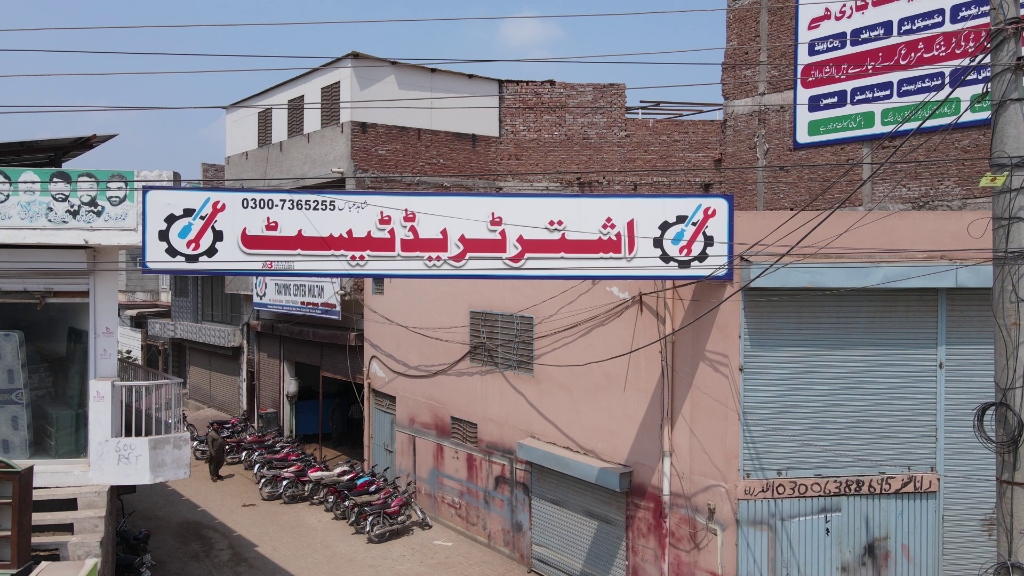
Ashtar Trade Test & Technical Training Centre
Usman-e-Ghani Road, near Bright Hall School, Multan
Why Contact Ashtar Trade Test Centre in Multan?
Choosing the right preparation facility is essential when preparing for technical assessments. At Ashtar Trade Test Centre, candidates receive transparent guidance tailored to actual trade test requirements.
Dedicated Multan Location
Easily accessible on Usman-e-Ghani Road with equipped testing bays for practical rehearsal.
Direct Communication & Verification
Speak directly with experienced technical staff to confirm course syllabus, mock assessment availability, and fees before enrolling.
Clear Schedules & Transparent Policies
No hidden costs or fabricated claims. Honest scheduling that allows candidates to plan their interview preparation effectively.
Related Technical Programs at Ashtar:
Frequently Asked Questions
Clear, concise answers to common questions regarding industrial electrician trade tests and preparation services.
1. What is an industrial electrician trade test?
An industrial electrician trade test is a practical and theoretical assessment used by employers, overseas recruiting delegations, and testing authorities to evaluate a candidate’s technical competence. It typically examines your ability to read wiring diagrams, safely install and troubleshoot industrial motor starters (like Direct-On-Line and Star-Delta), identify components in control panels, use measurement instruments like multimeters and insulation testers, and adhere strictly to occupational electrical safety protocols.
2. Which skills should I revise before an electrical trade test?
Before an electrical trade test, you should thoroughly revise schematic wiring diagram symbols, 3-phase power and control circuits, contactor and thermal overload relay wiring, motor terminal connections (Star and Delta configurations), systematic fault-finding techniques, safe usage of digital multimeters and clamp meters, and correct wire sizing and cable termination procedures.
3. How can I prepare for electrical safety questions?
To prepare for safety questions, study standard Lockout/Tagout (LOTO) isolation procedures, understand personal protective equipment (PPE) requirements such as insulated gloves, safety shoes, and arc flash eye protection, know how to safely verify zero electrical potential before touching conductors, and understand proper grounding and earthing principles.
4. Should I practise reading electrical wiring diagrams?
Yes, diagram reading is one of the most critical parts of an industrial electrician assessment. Examiners regularly present Single Line Diagrams (SLD), ladder logic diagrams, and control circuit blueprints. Practising how to trace circuit paths, identify terminal numbers, and wire components according to a schematic is essential for passing trade assessments.
5. What documents should I take to a trade test?
Standard documents typically include your original Computerized National Identity Card (CNIC), test registration slip or interview call letter, educational or technical certificates, passport (if preparing for overseas employment), recent passport-size photographs, and your updated CV. Always confirm the exact documentation requirements with the specific testing agency or employer conducting the assessment.
6. Does Ashtar Trade Test Centre currently provide industrial electrician preparation?
Ashtar Trade Test Centre offers technical facilities and workshop guidance in Multan. Because session availability, instructor schedules, and specific trade test preparation slots vary throughout the year, candidates should contact the centre directly at 0300-7365255 or 0300-7322762 to confirm currently available preparation modules and upcoming batch dates.
7. How can I confirm fees, schedules, and available services?
You can confirm fee structures, training schedules, and available assessment preparation services by calling our Multan office directly at 0300-7365255 or 0300-7322762, messaging via WhatsApp, or visiting our campus on Usman-e-Ghani Road, near Bright Hall School, Multan during regular working hours.
Preparing for an Industrial Electrician Trade Test?
Contact Ashtar Trade Test Centre in Multan to confirm the currently available services, preparation options, requirements, and fees.
Ashtar Trade Test & Technical Training Centre
Usman-e-Ghani Road, near Bright Hall School, Multan, Pakistan
Office Hours: Monday – Saturday (9:00 AM – 6:00 PM) | Friday Break: 1:00 PM – 2:30 PM
Explore Other Trade Test Preparation Programs
Comprehensive practical assessment training available at our Multan workshop.