
Ashtar Trade Test Center Multan
Welding Trade Tests, Pipe Fabrication & Technical Skills
Welcome to Ashtar Trade Test Center in Multan. As a dedicated local hub for industrial trade testing, practical skill assessments, and workshop preparation, we provide clear information for welders, pipe fitters, and fabricators seeking to understand test requirements, booth setups, and technical evaluation standards.
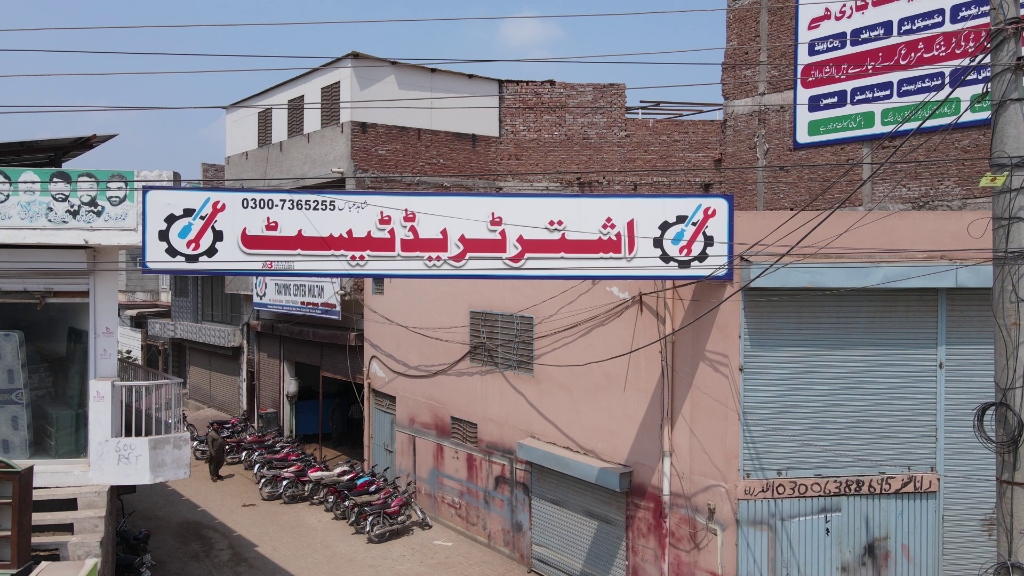
Practical Testing & Assessment Bay
Ashtar Trade Test Center Multan
Authentic Technical Information
We guide candidates on real welding assessment standards, root penetration requirements, and workshop safety protocols. Contact us directly to confirm active test dates.
About Ashtar Trade Test Center in Multan
Ashtar Trade Test Center is an established technical facility in Multan dedicated to helping industrial craftsmen prepare for, practice, and undergo technical trade assessments. Situated on Usman-e-Ghani Road, near Bright Hall School, the center focuses primarily on welding disciplines, pipe fabrication, and mechanical fitting trades.
Modern construction and plant construction projects require welders and fabricators who can perform flawless joints under international codes such as ASME Section IX, AWS D1.1, and API 1104. Ashtar Trade Test Center provides an organized environment where candidates can verify their hand skills, familiarize themselves with industrial testing booths, and understand the rigorous criteria used by evaluators before attending client interviews.
Candidate Guidance Before Visiting:
Testing categories, consumable availability, and scheduled delegation dates change regularly. Candidates are strongly encouraged to contact the center administration by phone (0300-7365255 or 0300-7322762) prior to traveling to confirm the exact trade category, appointment time, and applicable fee structure.
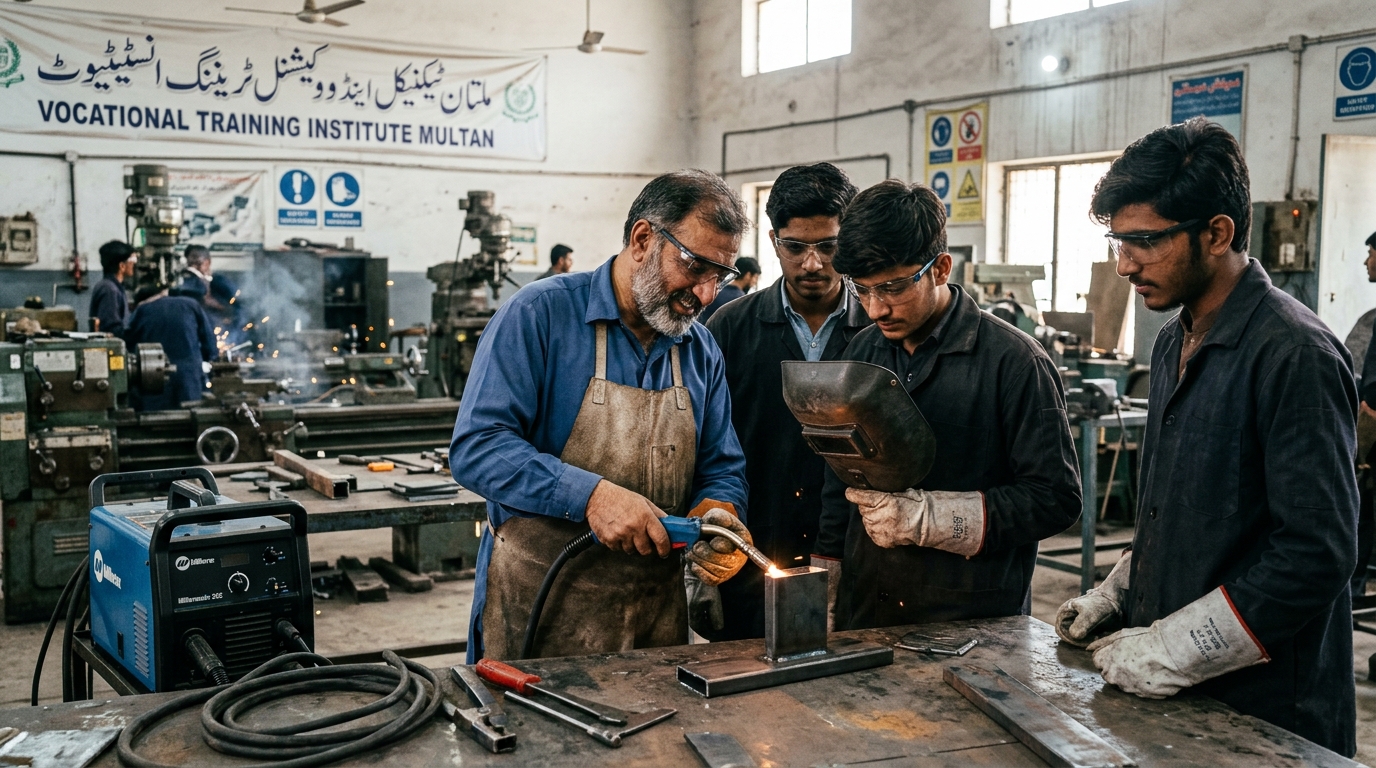
Multan Workshop Testing Infrastructure
Dedicated bays for pipe welding, multi-process testing, and fitting
Understanding the Welding Trade Test
A welding trade test is an objective practical examination designed to determine whether a welder can produce defect-free joints in accordance with industrial welding procedures (WPS).
Root Pass Penetration
Evaluators inspect the internal root bead for complete penetration, uniform reinforcement (1.5mm–2.5mm), and zero burn-through or root concavity.
Visual Quality Inspection
Surface inspection checks for lack of fusion, undercut, cold lap, excessive spatter, uniform bead width, and proper tie-ins at stopping points.
NDT & Mechanical Bend
Coupons often undergo radiographic testing (X-ray) or guided root and face bend tests (180° bend) to detect hidden internal slag inclusions or cracks.
Workshop Safety & Hygiene
Booth cleanliness, cable management, correct shade lens usage, proper chipping hammer handling, and PPE compliance are actively monitored.
Educational Distinction
General trade testing standards (such as ASME IX or AWS) govern universal welding expectations. However, specific client delegations may set custom acceptance thresholds (e.g., maximum allowable weave width or interpass cleaning restrictions). Always ask the center administration for specific test guidelines.
CS Multi Welder Test
A Carbon Steel (CS) Multi Welder is among the most sought-after trade classifications in power plant construction, oil refineries, and heavy mechanical fabrication. The CS Multi test assesses a candidate’s competence in switching seamlessly between two distinct welding processes on a single pipe coupon:
Using ER70S-6 filler wire, the welder deposits a continuous, fully penetrated root bead inside the pipe bore, followed by a thorough hot pass to consume any remaining tack edges and establish a strong foundation.
Using low-hydrogen electrodes (typically AWS E7018), the welder fills the bevel grooves in balanced stringer or controlled weave beads, finishing with a smooth, uniform reinforcement cap that blends cleanly into the parent metal.
Questions Candidates Should Ask Before Testing:
- What pipe diameter and wall schedule will be tested (e.g. 2-inch Sch 80, 6-inch Sch 40)?
- Is the test conducted in the 6G inclined fixed position or 5G horizontal fixed position?
- Are coupons subject to visual evaluation only or mandatory laboratory radiography?
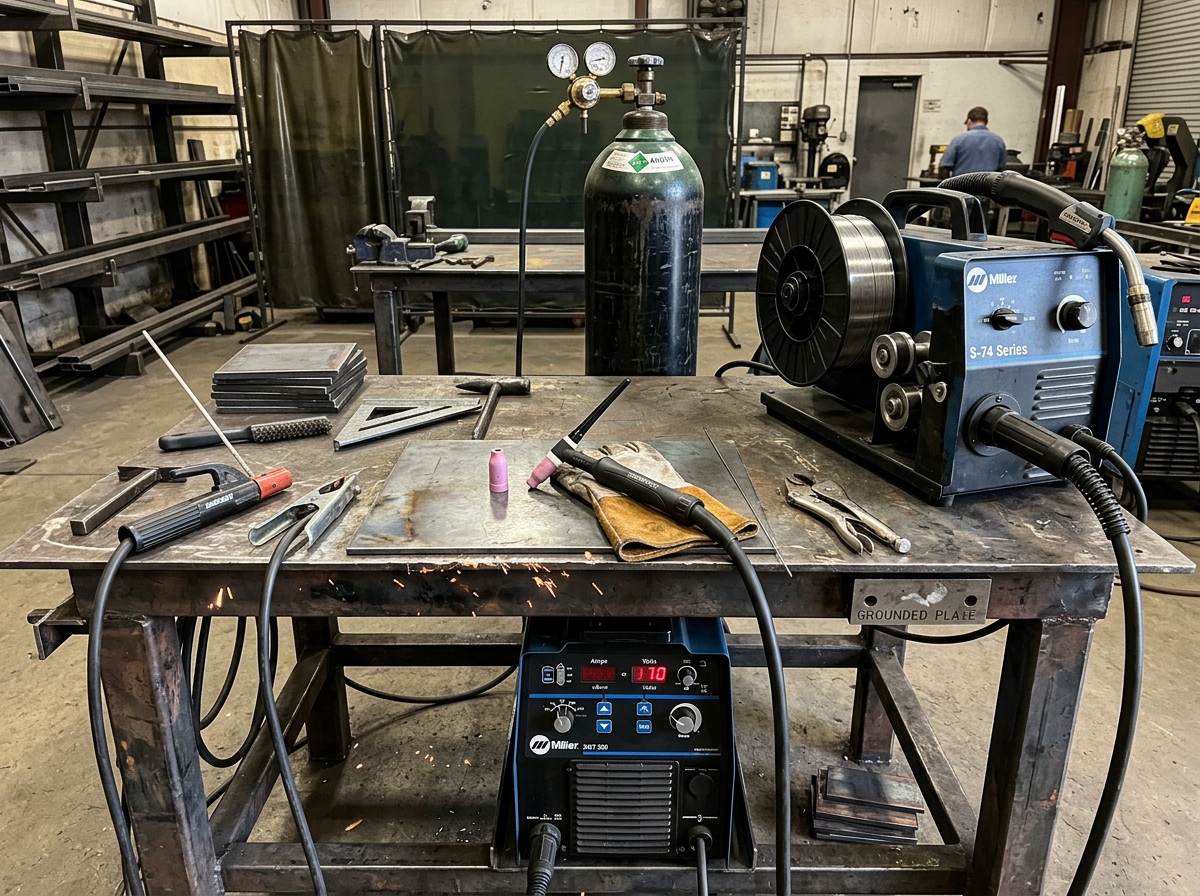
CS Multi-Process Pipe Welding
TIG root pass backed by low-hydrogen E7018 arc filler passes
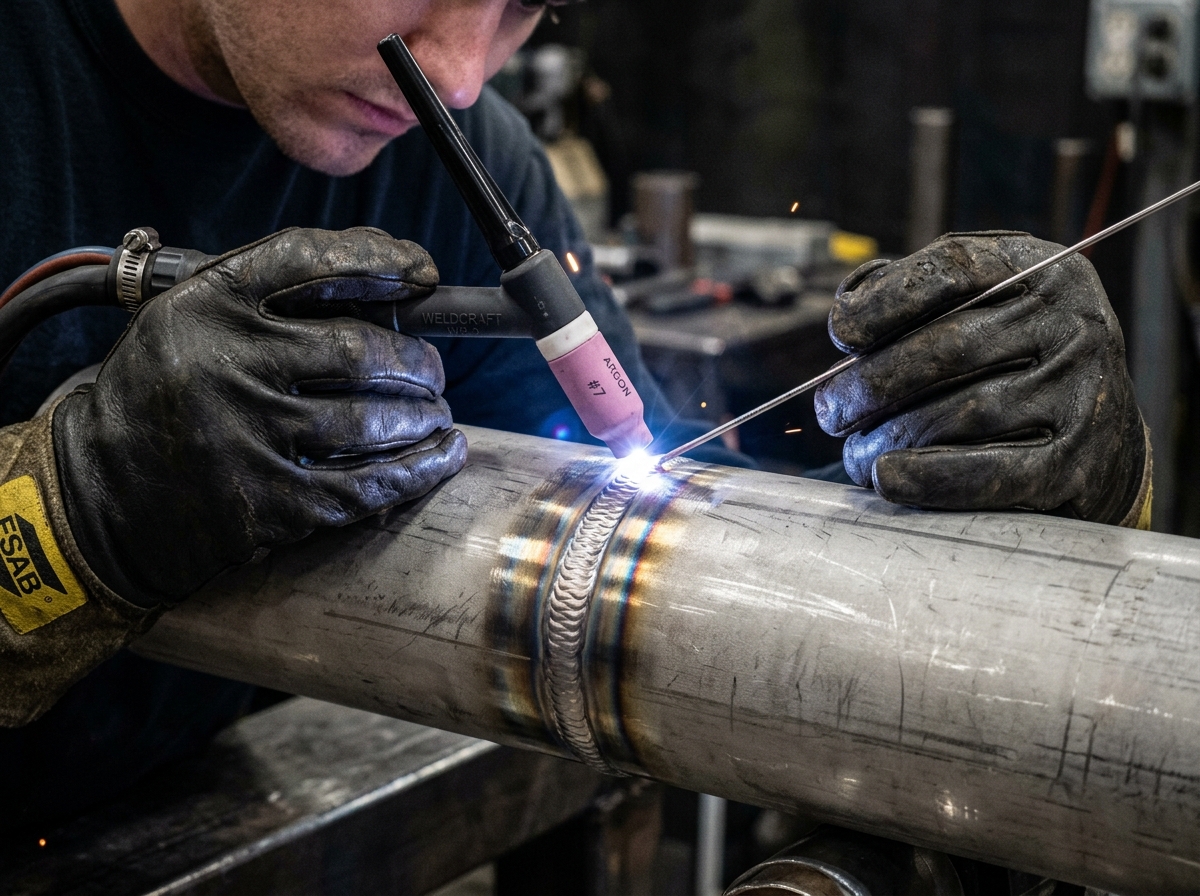
Stainless Steel TIG & Alloy Welding
Strict argon purge backing to eliminate root oxidation (sugaring)
SS Multi Welder Test
Stainless steel pipe welding demands far higher precision, hygiene, and thermal discipline than carbon steel. Stainless steels (typically Austenitic 304L, 316L, or duplex alloys) are sensitive to heat buildup, warping, and atmospheric contamination at molten temperatures.
The primary technical challenge of the SS Multi test is internal shielding. When stainless steel is molten, contact with oxygen causes severe oxidation on the root side—a defect known in the trade as "sugaring". To prevent this, examiners enforce strict internal argon back-purging using inflatable bladders or water-soluble purge dams.
* Note: Stainless steel test availability depends on current project demands and consumable stock. Candidates must contact Ashtar to confirm SS test sessions.
Technical Comparison: CS Multi vs. SS Multi Welding Tests
| Inspection Parameter | CS Multi Welder (Carbon Steel) | SS Multi Welder (Stainless Steel) |
|---|---|---|
| Base Material | Carbon Steel (ASTM A106 Grade B, API 5L) | Austenitic Stainless Steel (304L, 316L, 321) |
| Purging Requirement | Generally open atmosphere (no internal purge needed) | Mandatory 99.99% pure Argon back-purging (O2 < 0.5%) |
| Root Pass Process | GTAW (ER70S-6 wire) or Cellulosic/Basic SMAW | Strictly GTAW (ER308L / ER316L wire) with continuous purge |
| Interpass Temperature | Up to 250°C permissible depending on wall thickness | Strictly controlled below 150°C to prevent carbide precipitation |
| Fill & Cap Pass | SMAW (E7018 low-hydrogen electrodes) | GTAW or SMAW (E308L-16 / E316L-16 electrodes) |
| Cleaning & Brushing | Standard carbon steel wire brushes and grinders | Dedicated stainless steel wire brushes (zero cross-contamination) |
Pipe Welding Trade Testing & 6G Mastery
Unlike plate welding, pipe welding requires continuous adjustment of the torch and rod angle as the welder moves around the circumference of the cylinder. Welds must pass through flat, vertical, and overhead positions within a single continuous run.
The international gold standard for pipe welder qualification is the 6G position. In 6G, the pipe is inclined at a fixed 45° angle and cannot be rotated. Passing a 6G pipe test qualifies the welder to work in all positions (1G, 2G, 5G, and 6G) under ASME Section IX, making 6G welders top candidates for oil and gas refinery projects.
37.5° ± 2.5°
75° included groove2.5mm – 3.2mm
Uniform spacer wire1.5mm – 2.0mm
Even feather edge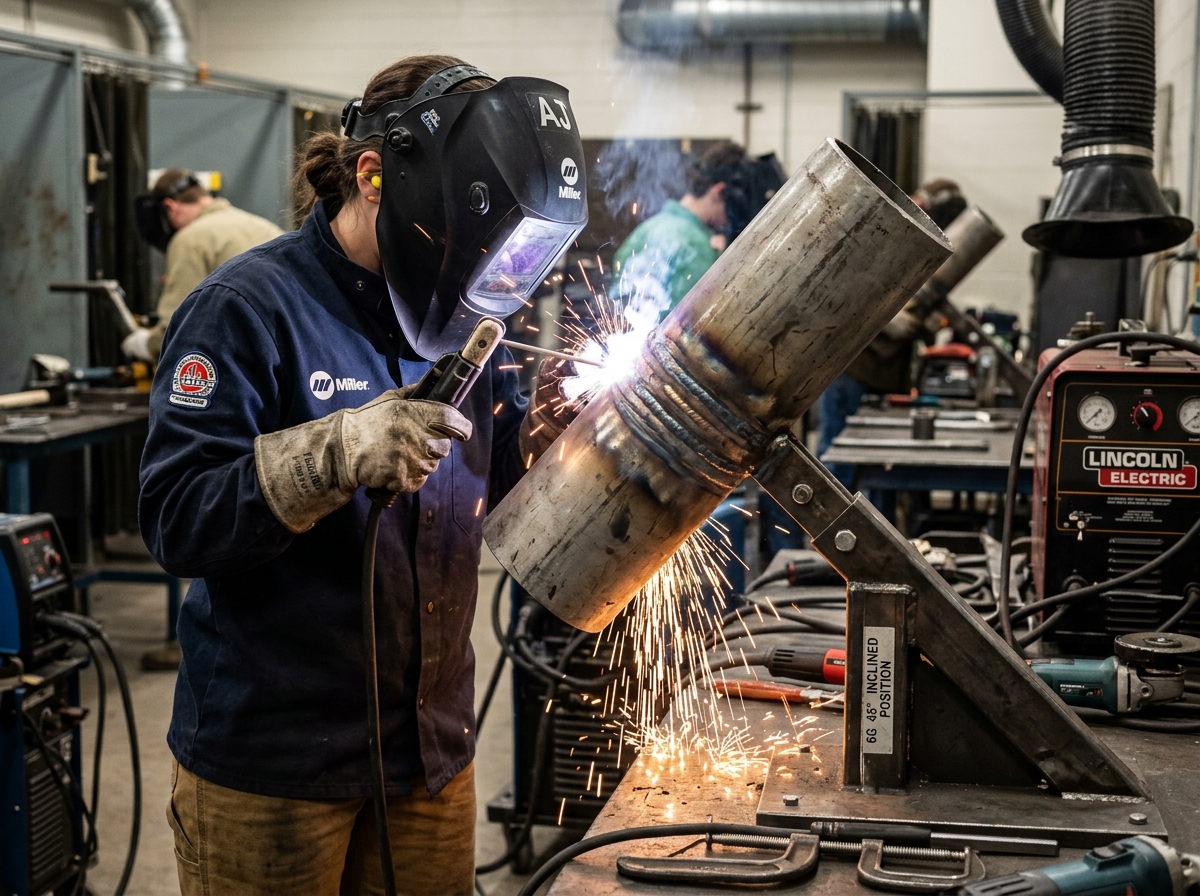
6G Fixed 45° Pipe Position
The premier international qualification standard for high-pressure pipe welders
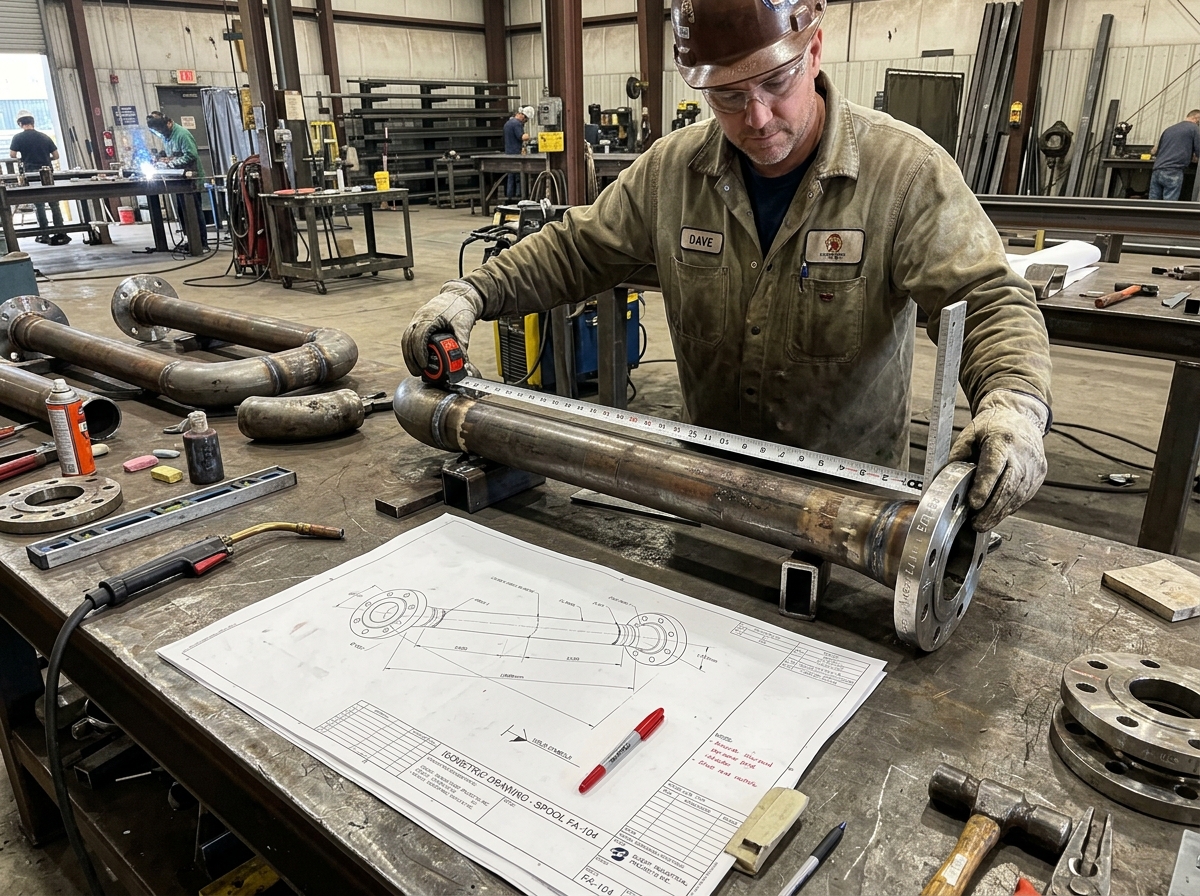
Pipe Spool Fabrication
Blueprint takeoffs, cut length calculations, and flange alignment
Pipe Fabrication & Spool Fitting
Pipe fabrication is the art of transforming raw pipes, elbows, tees, reducers, and flanges into complete piping spools ready for plant erection. Fabricators must read 3D piping isometric drawings, calculate cut lengths factoring in fitting takeoffs, and assemble components with millimeter precision.
Welding Booths and Workshop Facilities
Ashtar Trade Test Center maintains dedicated testing bays and practical welding booths configured to mirror industrial refinery testing conditions.
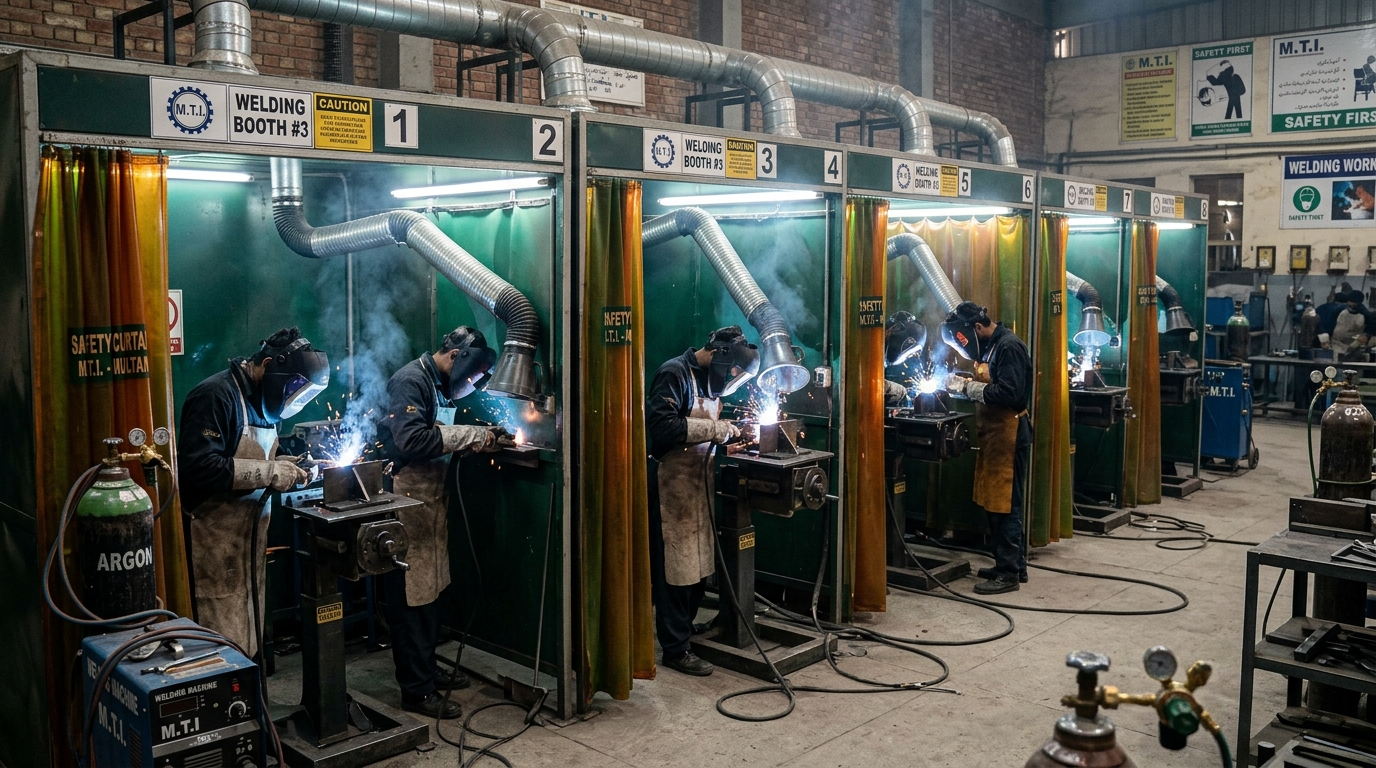
Individual Practical Testing Booths
Equipped with adjustable pipe fixtures, fume exhaust, and stable DC power supplies
Adjustable Pipe Positioning Fixtures
Heavy-duty stands that clamp pipe coupons rigidly in fixed 1G, 2G, 5G, and 45° 6G orientations without vibration or slippage during testing.
Multi-Process Inverter Power Sources
High-frequency TIG inverters and industrial DC rectifiers providing smooth arc control, stable amperage, and precise heat modulation.
Dedicated Material Prep & Grinding Area
Equipped with angle grinders, bench grinders, beveling machines, and pipe vises allowing candidates to prepare coupons and clean interpass beads safely.
Fume Extraction & Operator Safety
Ventilation systems and fire-resistant booth curtains protecting candidates from toxic welding fumes, arc radiation, and sparks.
Technical Trade Testing Process
Follow this 7-step guide to prepare for your assessment at Ashtar Trade Test Center in Multan.
Contact the Center
Reach out by calling 0300-7365255 or messaging 0300-7322762 to connect with administrative staff.
Confirm Available Trade & Test Date
Verify whether your specific category (such as 6G pipe, CS multi, or fabrication) has open testing slots.
Ask Which Documents Are Required
Confirm required documentation including original CNIC, appointment slip, and photos.
Confirm Any Applicable Fee Before Visiting
Check the exact testing or consumable fee so there are no financial surprises on arrival.
Arrive at the Confirmed Time
Report punctually to the testing bays on Usman-e-Ghani Road, Multan, dressed in workshop PPE.
Follow Center Instructions & Safety Rules
Adhere strictly to workshop safety protocols, booth ventilation, and evaluator directions.
Ask About the Result & Next Steps
Receive your visual evaluation feedback and inquire about laboratory testing timelines.
* Note: This represents general operational guidance. Official batch requirements are confirmed directly by authorized administrative personnel.
Candidate Preparation Guide
Passing a rigorous trade test requires both technical skill and calm, disciplined execution under observation.
Arc Strike & Restart Control
Ensure you can strike arcs cleanly inside the weld groove without leaving stray arc strikes on pipe surfaces.
Bevel Preparation & Tack Fitting
Verify root face (land) thickness and root gap uniformity using appropriate spacer wires or bridge tacks.
Welding Helmet & Lens Shade Selection
Use a clean, auto-darkening or fixed shade helmet (Shade 10–12 for TIG; Shade 11–13 for SMAW) for clear puddle visibility.
Slag Removal & Interpass Cleaning
Thoroughly chip slag and wire-brush every bead before depositing subsequent passes to prevent slag inclusions.
Pacing & Heat Input Management
Maintain consistent travel speed and avoid excessive weaving that causes undercut, cold lap, or excessive heat buildup.
Physical Endurance in Fixed Positions
Practice maintaining body posture and steady hand control in overhead and vertical positions without shaking.
Why Contact Ashtar Trade Test Center Directly?
Direct communication protects candidates from misinformation, unauthorized fee inflation, and unverified interview rumors.
Current Schedule Verification
Confirm exact test dates, reporting times, and booth availability directly with administrative staff.
Transparent Fee Information
Know the exact testing fee or material consumable cost beforehand without third-party markups.
Document Requirements
Clarify whether original certificates, photos, or recruiter tokens are needed for your specific batch.
Honest Evaluation Policy
No false guarantees of visas, salaries, or universal passes. You receive objective feedback based strictly on your welding skill.
Frequently Asked Questions
Clear, factual answers to the 20 most frequent questions asked by welders and technical candidates in Multan.
1. What is Ashtar Trade Test Center?
Ashtar Trade Test Center is a technical trade testing and practical skill preparation facility located in Multan, Pakistan. It provides practical testing booths, workshop equipment, and skill verification guidance for welders, pipe fitters, fabricators, and industrial technicians.
2. Where is the center located?
The center is located on Usman-e-Ghani Road, Near Bright Hall School, Multan, Pakistan.
3. How can candidates contact the center?
Candidates can call 0300-7365255, message or call via WhatsApp on 0300-7322762, or visit the official website at https://www.ashtartradetest.com/.
4. What is a welding trade test?
A welding trade test is a practical examination where a welder prepares, fits, and welds standardized test coupons (plates or pipes). The finished weld is inspected visually and through non-destructive or destructive testing to verify soundness, penetration, and compliance with industrial codes.
5. What is a CS Multi welder test?
A CS (Carbon Steel) Multi Welder test evaluates a candidate’s proficiency in combining multiple welding processes—typically Gas Tungsten Arc Welding (GTAW/TIG) for the root and hot pass, followed by Shielded Metal Arc Welding (SMAW/Stick) for the fill and cap passes on carbon steel pipe.
6. What is an SS Multi welder test?
An SS (Stainless Steel) Multi Welder test assesses specialized welding on stainless steel alloys (such as 304L or 316L). It requires strict heat control, specialized argon backing gas purging to prevent oxidation/sugaring, and clean GTAW/SMAW execution.
7. What is pipe welding?
Pipe welding is the specialized joining of cylindrical metallic pipes used in refineries, power plants, and cross-country pipelines. It requires precise root gap setup, uniform penetration, and mastering fixed positions such as 2G, 5G, and 6G.
8. What is pipe fabrication?
Pipe fabrication involves cutting, beveling, measuring, branching, and assembling pipe spools according to isometric engineering drawings before they are welded and installed in industrial piping systems.
9. How can candidates prepare for a trade test?
Candidates should review blueprint symbols, practice torch angles and travel speed on scrap coupons, inspect their PPE, familiarize themselves with the test position (such as 6G), and arrive well-rested with verified registration paperwork.
10. Which documents should candidates bring?
Candidates typically need their original Computerized National Identity Card (CNIC), test registration or interview token slip, updated CV, and relevant technical certificates or passport if requested. Always confirm the exact list with the center before traveling.
11. How can a candidate confirm the test date?
Candidates must contact the center directly by phone at 0300-7365255 or 0300-7322762 to confirm currently scheduled batch dates, reporting times, and testing slot availability.
12. How can test availability be confirmed?
Test availability changes depending on employer interview schedules and workshop maintenance. Confirm active testing categories by calling the center administration directly.
13. Is there a test fee?
Applicable fees vary depending on the trade category, materials used (such as pipe schedule or argon gas consumption), and whether testing is sponsored by an employer or taken privately. Candidates should confirm exact fees with the center beforehand.
14. How long does a test take?
A trade test duration depends on the specific trade. A 6G pipe welding test coupon typically takes 2 to 4 hours, whereas fabrication layout tasks or fitter tests may take between 1 to 3 hours.
15. When are results announced?
Visual inspection results are usually provided promptly following weld cleaning. If laboratory non-destructive testing (such as radiography/X-ray or bend testing) is required, results follow standard laboratory processing times.
16. Is an offer letter guaranteed?
No. Trade testing is an objective physical skill assessment. Passing a test demonstrates technical competence, but job offers depend entirely upon recruiting employers, available quotas, client selection, and verified contracts.
17. Is medical approval guaranteed?
No. Medical fitness evaluations are conducted independently by authorized medical centers according to destination-country standards and are completely separate from trade testing.
18. Does every candidate pass?
No. Trade tests evaluate genuine skill against international acceptance criteria. Welds with internal lack of fusion, cracks, excessive porosity, or root suckback fail inspection. Rigorous preparation is recommended.
19. How can candidates find current trade-test announcements?
Current test announcements and delegation schedules can be verified by calling 0300-7365255, messaging 0300-7322762 on WhatsApp, or visiting the center in Multan.
20. How can candidates obtain accurate information before visiting?
Always call the official phone numbers (0300-7365255 / 0300-7322762) or consult the official website (https://www.ashtartradetest.com/) to speak directly with verified staff before making travel arrangements.
Contact & Campus Location in Multan
We welcome prospective welders, fabricators, and technical craftsmen to connect directly with our administration office for verified information.
Plan Your Visit to Multan
Our administrative team is on campus to answer technical inquiries, show workshop facilities, and verify test schedules.
Looking for Welding Trade Test Information in Multan?
Contact Ashtar Trade Test Center to confirm available trade tests, schedules, requirements, and the next steps.
ASHTAR TRADE TEST CENTER
Usman-e-Ghani Road, Near Bright Hall School, Multan, Pakistan
Helpline: 0300-7365255 | WhatsApp: 0300-7322762
Explore Related Technical Trade Pages
Direct links to detailed trade guides and assessment preparation hubs.
Trade Test Center
General PortalWelding Trade Test
6G Pipe PrepPipe Fitter
Blueprint TakeoffsMechanical Fitter
Machinery OverhaulRigger Training
Lifting SafetyDocuments Checklist
CNIC & Paperwork