
Rigger Training in Multan — Learn Industrial Rigging and Lifting Safety
Explore Rigger Training information at Ashtar Trade Test & Technical Training Centre, Multan. Learn about rigging responsibilities, lifting equipment, load handling, communication and essential safety principles before enquiring about admission.
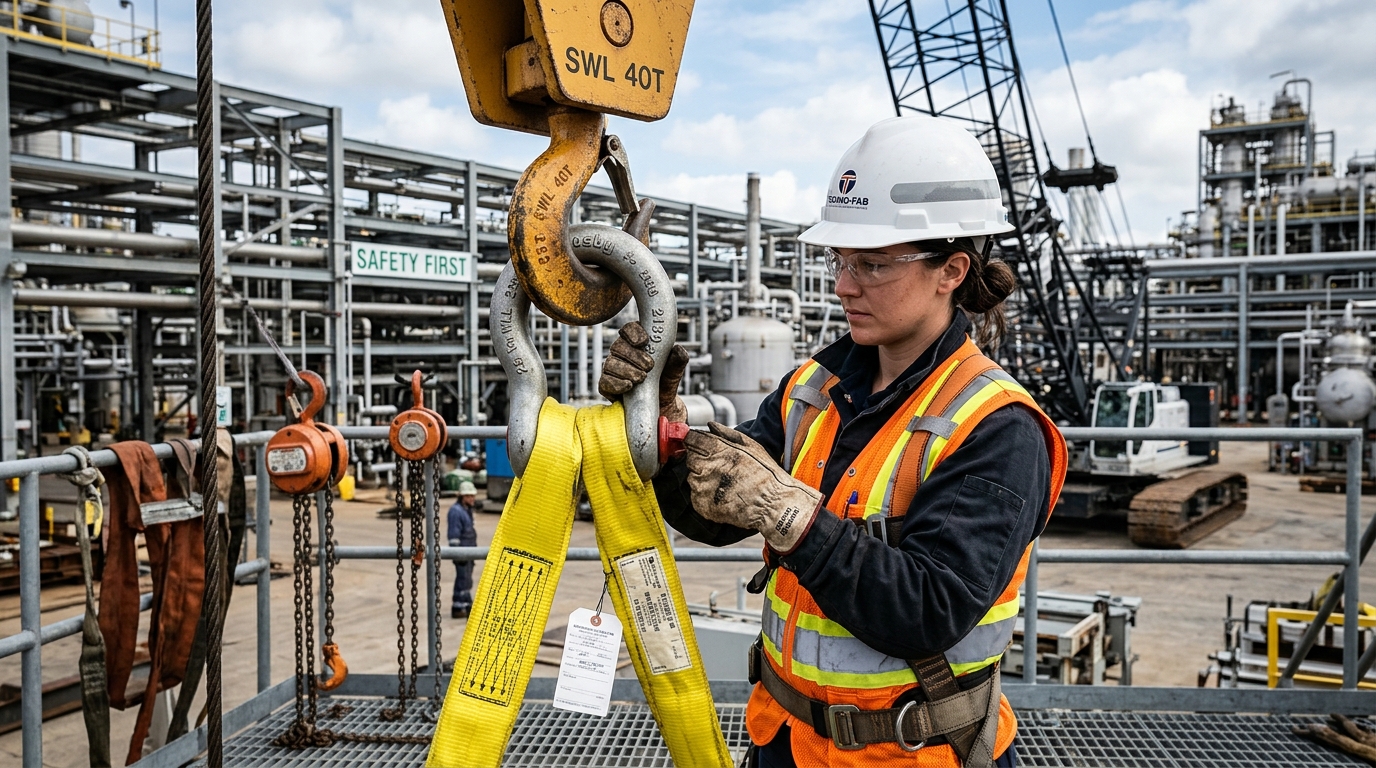
Certified Rigger Pre-Lift Inspection
Checking Working Load Limit (WLL) tags & shackle seating
The 30% discount is available for the first 20 eligible admissions, subject to current batch availability confirmed directly by Ashtar administration.
What Is Rigger Training?
Rigging is the specialized craft of preparing, balancing, and securing heavy industrial loads so they can be lifted and maneuvered safely using cranes, hoists, derricks, and material handling systems. Riggers inspect and assemble lifting accessories such as synthetic webbing slings, steel wire ropes, alloy chains, and forged shackles.
In modern construction, power plants, oil refineries, and manufacturing facilities, riggers work in close coordination with crane operators, lifting supervisors, banksmen, and site HSE personnel. They act as the eyes and ears on the ground, ensuring that no load is ever hoisted until it is physically balanced, securely attached, and the entire travel radius is completely cleared.
Exact rigging responsibilities depend upon the specific industrial workplace, the equipment employed, the engineering lifting plan, and the worker’s level of competency authorization (such as Rigger Level 1, 2, or 3). A short introductory course provides foundational principles and safety literacy, but does not automatically qualify a worker for every complex or tandem crane lift without verified field assessments.
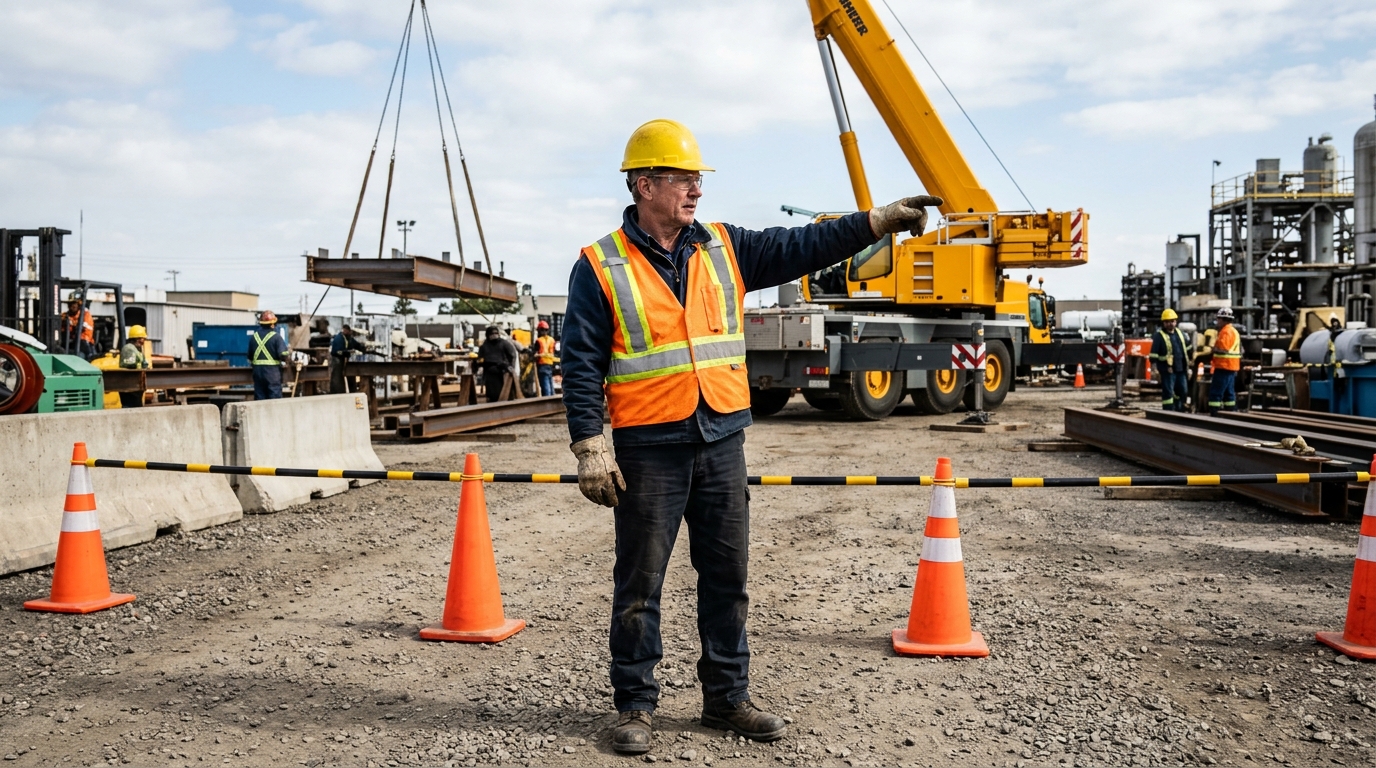
Clear Crane Signal Communication
Riggers maintain clear line-of-sight from dedicated safe stand-off zones
What Does a Professional Rigger Do?
Industrial rigging is governed by strict occupational safety standards. Riggers carry out disciplined, step-by-step procedures to eliminate hazards during load handling.
Inspecting Lifting Accessories
Checking slings, shackles, wire ropes, and hooks for visible cuts, excessive wear, cracks, distortion, heat damage, or missing Working Load Limit (WLL) identification tags before every lift.
Checking Load Information & Plans
Reviewing verified load weight, center of gravity (COG), engineered lifting points, and following the specific lifting arrangement approved for the operation.
Attaching & Securing the Load
Applying correct rigging hitches (straight vertical, choker, or basket hitch) using rated accessories and corner softeners to protect slings from sharp metal edges.
Crane Operator Communication
Directing the crane operator using agreed standard ASME/OSHA hand signals or dedicated two-way radio channels clearly, continuously, and without ambiguity.
Controlling Danger & Exclusion Zones
Barricading the lifting perimeter and actively ensuring all ground personnel remain completely clear of suspended loads, counterweight swing radiuses, and pinch points.
Monitoring Lift from Safe Stand-off
Observing load balance, hoist line verticality, crane boom clearance, and structural clearance from a safe, designated observation point throughout transit.
Reporting Unsafe Conditions
Exercising Stop Work Authority immediately if ground stability degrades, wind speeds exceed allowable limits, or rigging equipment shifts unexpectedly during a lift.
Line of Fire Protection
A rigger never positions any part of their body under a suspended load. Riggers use non-conductive tag lines to guide and control loads safely from an engineered standoff distance.
Essential Rigging Equipment & Lifting Accessories
Safe load handling relies upon selecting hardware matched exactly to load weight, geometry, and environmental conditions.
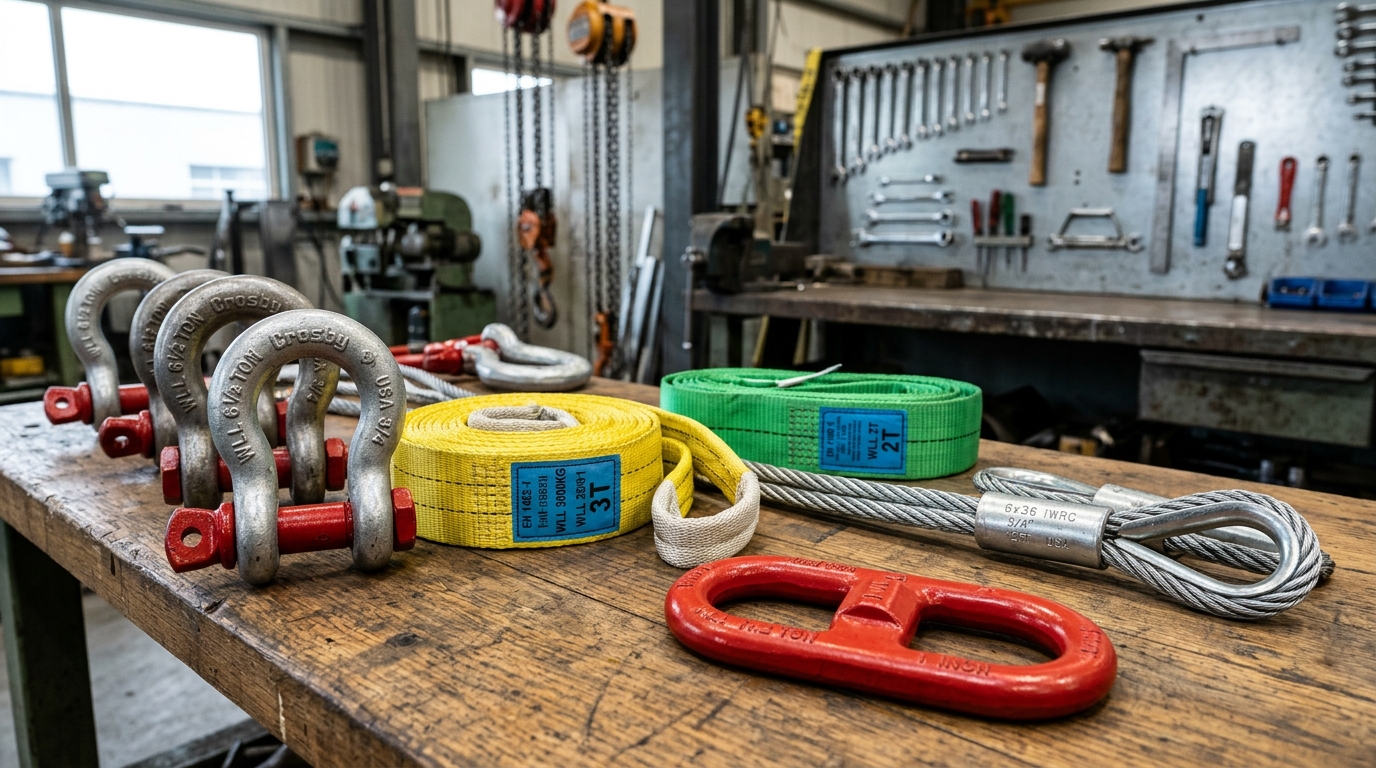
Essential Rigging Hardware
Bow shackles, tagged webbing slings, wire ropes & master links
Synthetic Webbing Slings
Polyester flat web slings and round endless slings engineered for non-marring, lightweight lifting. Color-coded with durable factory tags displaying Working Load Limits.
Heavy-Duty Bow & D-Shackles
Forged carbon and alloy steel shackles with screw pins or safety bolt/nut configurations. Used to connect slings safely to crane hooks and certified pad eyes.
Wire-Rope Slings
Multi-strand galvanized steel wire ropes with swaged thimble eyes. Provide superior abrasion resistance and strength for rugged heavy fabrication loads.
Alloy Steel Chain Slings
Durable, heat-treated chain assemblies with shortening clutches. Ideal for high-temperature environments, rough castings, and heavy structural components.
Crane Hooks & Safety Latches
Forged alloy crane hooks equipped with spring-loaded safety latches to prevent sling eyes or master links from slipping out under slack line conditions.
Tag Lines (Guide Ropes)
Clean, non-conductive synthetic fiber ropes attached to the load ends, allowing riggers to steady and guide load orientation from a safe distance.
Why Is Rigging Safety Important?
A suspended load carries massive gravitational potential energy. Failure of a single shackle, an improper sling hitch, or poor communication can lead to catastrophic damage or loss of life.
- Clear exclusion perimeter barricaded with warning tape and signage
- Single designated rigger delivering standardized signals to crane operator
- Tag lines attached to prevent rotation without riggers touching the load
- All hardware pre-inspected with clear visible WLL tags attached
- ✕Unauthorized workers walking or standing directly beneath suspended loads
- ✕Multiple ground personnel shouting conflicting verbal commands to operator
- ✕Riggers guiding loads by hand without tag lines within the swing crush zone
- ✕Using damaged, cut, rusty, or untagged slings and makeshift hooks
What Can a Rigger Learn During Training?
Foundational rigging training prepares candidates with the technical knowledge, calculations, and safety habits expected on modern industrial worksites.
Introduction to Industrial Rigging
Overview of rigging roles, crane operations, site regulations, and the importance of lifting safety in refineries and factories.
Identification of Lifting Accessories
Detailed examination of web slings, wire ropes, chain slings, shackles, master links, eyebolts, turnbuckles, and plate clamps.
Equipment Inspection & Rejection Criteria
Understanding inspection procedures, identifying cracks, wire breaks, sling cuts, heat damage, and missing capacity tags.
Load-Handling Principles & Hitch Types
Principles of center of gravity (COG), vertical hitches, choker hitches, basket hitches, and sling angle tension multipliers.
Crane Hand Signals & Radio Protocols
Mastering standardized international crane signals for hoisting, lowering, boom up/down, telescoping, swinging, and emergency stops.
Recognizing Lifting Hazards & Blind Spots
Identifying overhead electrical power lines, crane swing pinch points, ground bearing failures, and high wind hazards.
Safe Positioning & Exclusion Zones
Establishing perimeter barricades, tag line handling techniques, avoiding the line of fire, and zero personnel under loads.
Understanding Lifting Plans & Permitting
Basic review of routine vs. critical lifting plans, Permit to Work (PTW) protocols, and lifting supervisor coordination.
Workplace PPE & Emergency Procedures
Personal protective equipment standards, tool lanyards, site emergency protocols, and stop-work authority empowerment.
* Notice: The curriculum topics presented above represent industry-standard learning modules. Specific course duration, practical workshop hours, syllabus details, and assessment criteria must be confirmed directly with the Ashtar administration office upon application.
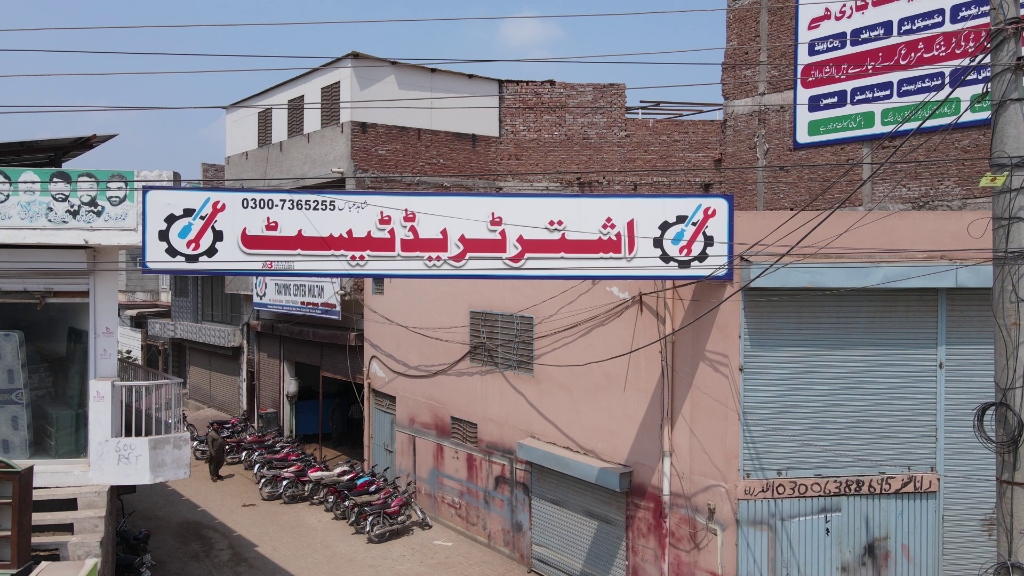
Ashtar Trade Test & Technical Training Centre
Usman-e-Ghani Road, Near Bright Hall School, Multan
Practical Training Environment at Ashtar Multan
Ashtar Trade Test & Technical Training Centre provides a disciplined workshop environment where students learn safe mechanical handling and rigging principles under instructor supervision.
Dedicated Workshop Bays
Simulated load handling spaces with real rigging hardware, shackles, and inspection benches.
Experienced Industrial Instructors
Trainers with hands-on industrial background teaching ASME/OSHA hand signals and safety protocols.
Transparent Enquiries
Candidates can visit our Multan campus to inspect facilities and confirm course schedules before registering.
Who May Be Interested in Rigger Training?
Rigging skills are essential across industrial, construction, oil & gas, and mechanical maintenance projects.
Individuals Exploring Heavy Trades
People looking to enter the technical trade sector and learn safe industrial material handling from experienced trainers.
Workers Seeking Rigging Knowledge
Construction helpers, pipe fitters, and fabricators who want to understand rigging principles to broaden their trade versatility.
Trade Test Assessment Candidates
Workers preparing to appear before client interview delegations or trade test boards who need to brush up on equipment inspection and signals.
Safety & Site Personnel
Safety officers and junior supervisors seeking practical familiarity with lifting hardware, tag line protocols, and exclusion zones.
Skilled Tradesmen Refreshing Skills
Experienced workers who need to align their knowledge with international standards (such as ASME B30 and OSHA regulations).
Ethical Policy Note
Course admission eligibility and suitability for particular jobs depend on the specific training programme, employer requirements, and applicable industrial standards. Completing training does not guarantee employment.
Rigger Training and Overseas Career Preparation
Certified industrial riggers are frequently recruited for major infrastructure projects, oil refineries, offshore platforms, and petrochemical facilities across the Middle East (Saudi Arabia, UAE, Qatar, Oman, Kuwait) and domestic industrial hubs.
Overseas employers evaluate candidates through practical trade tests, verifying whether an applicant can inspect hardware, calculate load balance, and follow international hand signals calmly under test conditions.
Independent Verification Notice:
Requirements vary significantly by employer, destination country, role, and recruitment process. Candidates must independently verify job offers, recruitment fees, employment contracts, visa requirements, and the credentials of any recruiting agency. Ashtar Trade Test Centre operates purely as a training and testing facility and does not guarantee overseas visas, salaries, or job placements.

International Technical Trade Pathways
Rigorous skills assessment prepares candidates for global client tests
Special Offer on New Rigger Training Admissions
Interested in Rigger Training? Contact Ashtar Trade Test & Technical Training Centre to enquire about the introductory discount, current admission availability and applicable fees.
* Offer applies to eligible first-20 admissions upon launch. Confirm validity and applicable fee terms directly with the administration office. No fake timers or artificial countdowns.
Technical Trade Categories at Ashtar
Explore our full suite of technical courses and trade test preparation programs. Each trade is supported by dedicated workshop facilities and verified equipment.
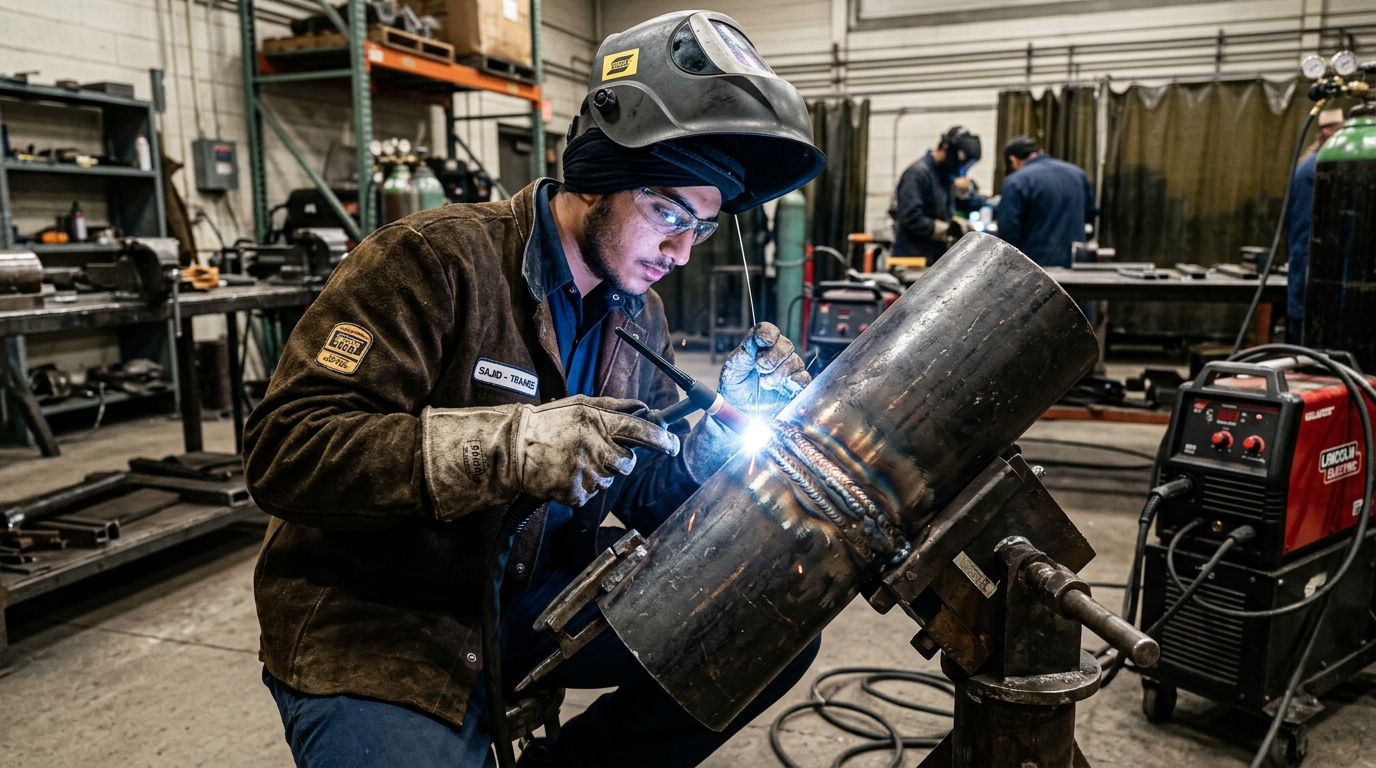
Welding (6G, TIG, MIG, SMAW)
Practical high-pressure pipe welding, argon root pass, flux-cored structural joints, and ASME trade test preparation.
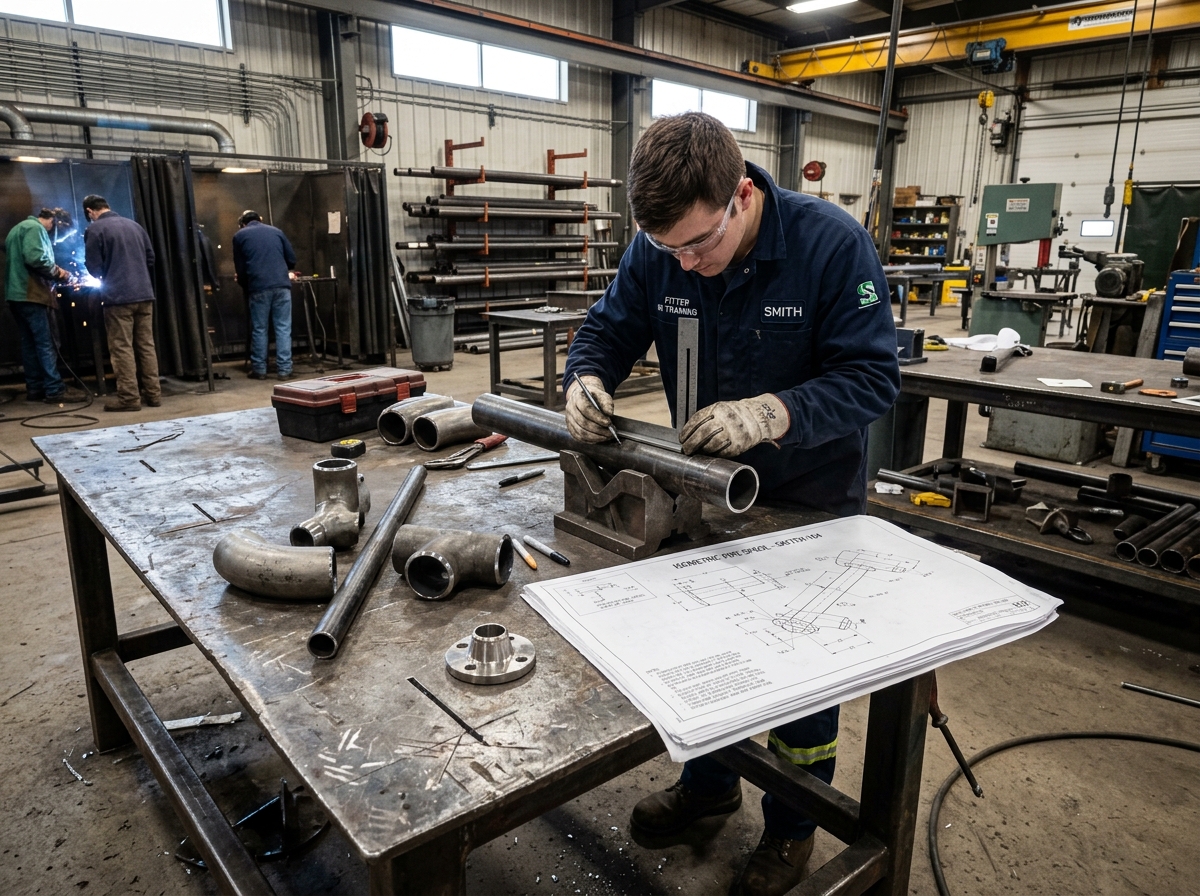
Pipe Fabricator
Piping blueprint reading, spool assembly, pipe branching formulas, miter cutting, and mock test spool fit-up.
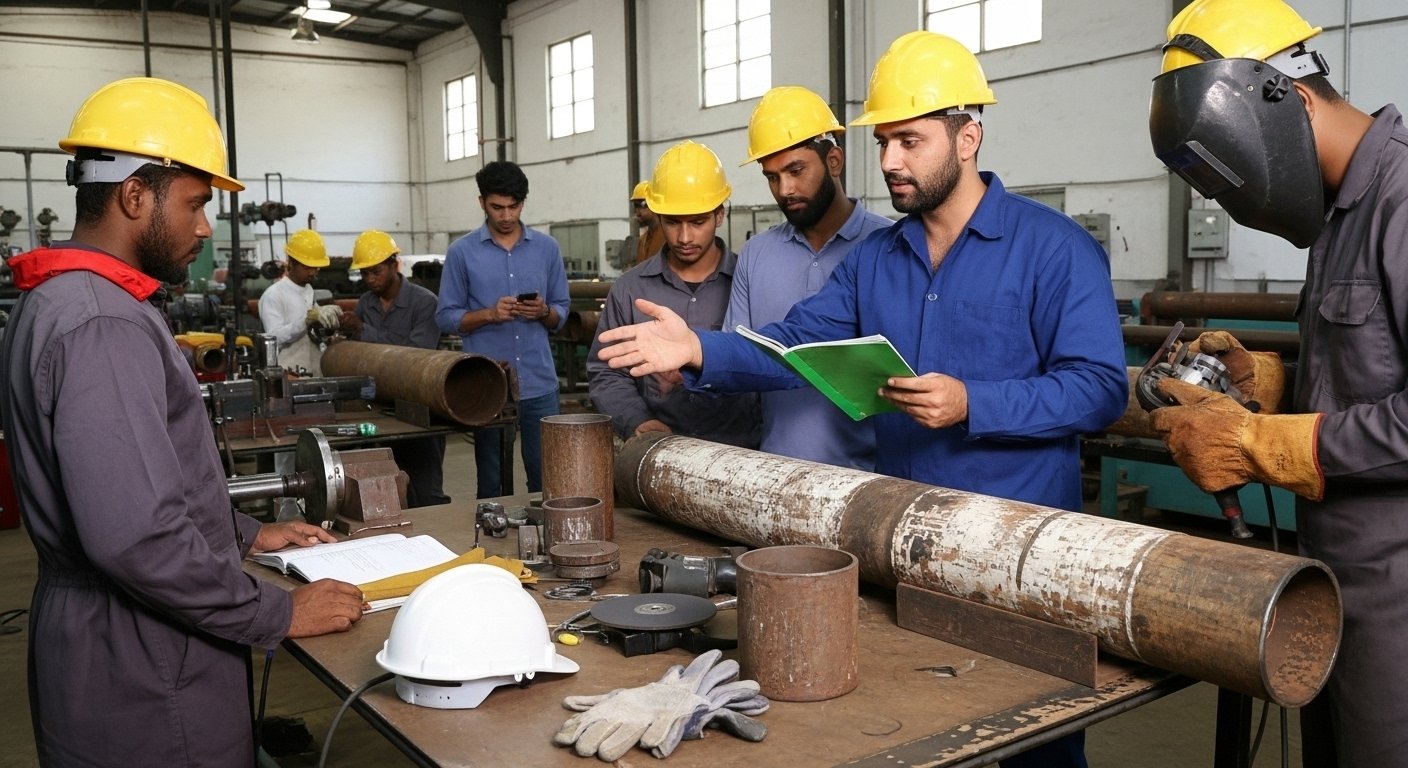
Structure Fabricator
Heavy structural steel layout, beam fabrication, column alignment, base plate drilling, and workshop assembly.
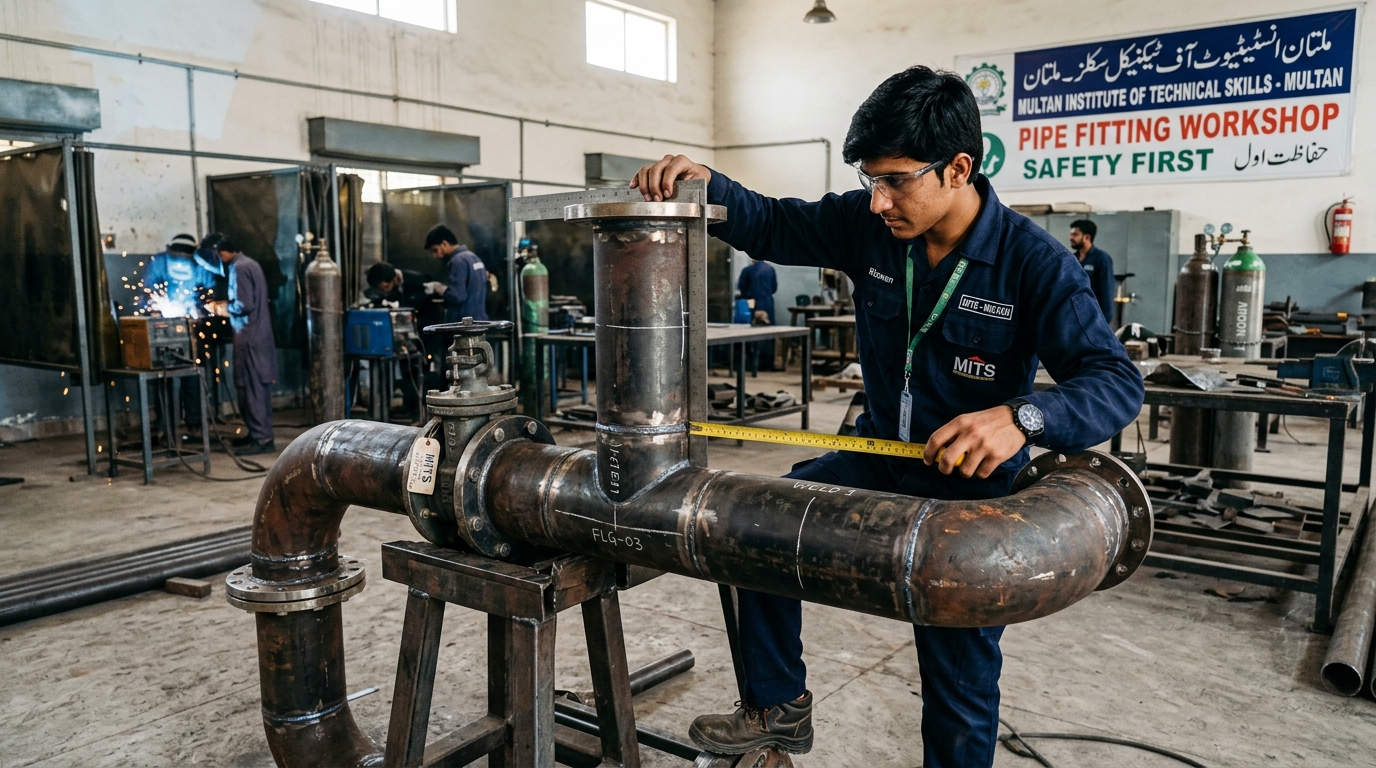
Pipe Fitter
Industrial piping alignment, flange 2-hole leveling, elbow offsets, gasket positioning, and valve installation.
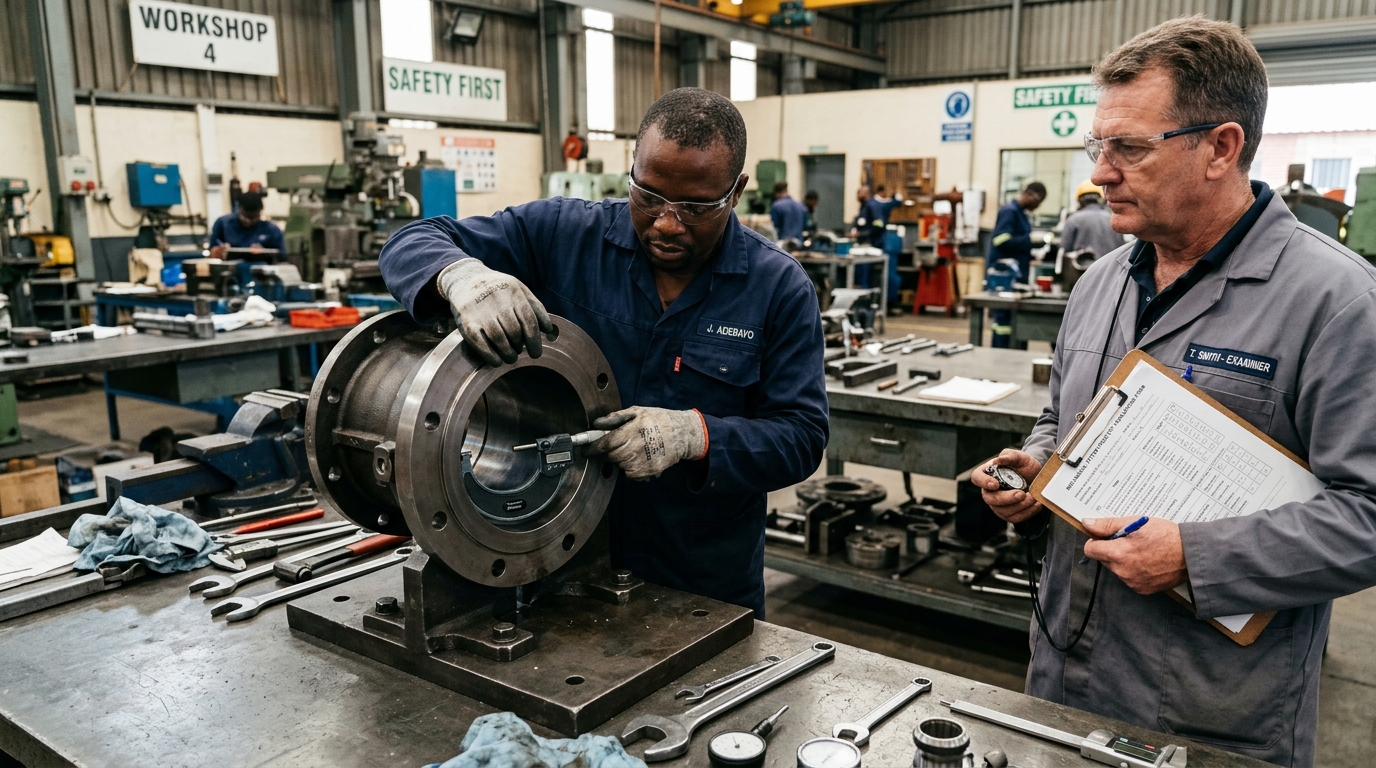
Mechanical Fitter
Rotating machinery maintenance, centrifugal pumps, gearboxes, shaft alignment with dial indicators, and bearings.
Rigger (Lifting Specialist)
Safe load slinging, shackle selection, crane signal communication, barricaded exclusion zones, and lifting plans.
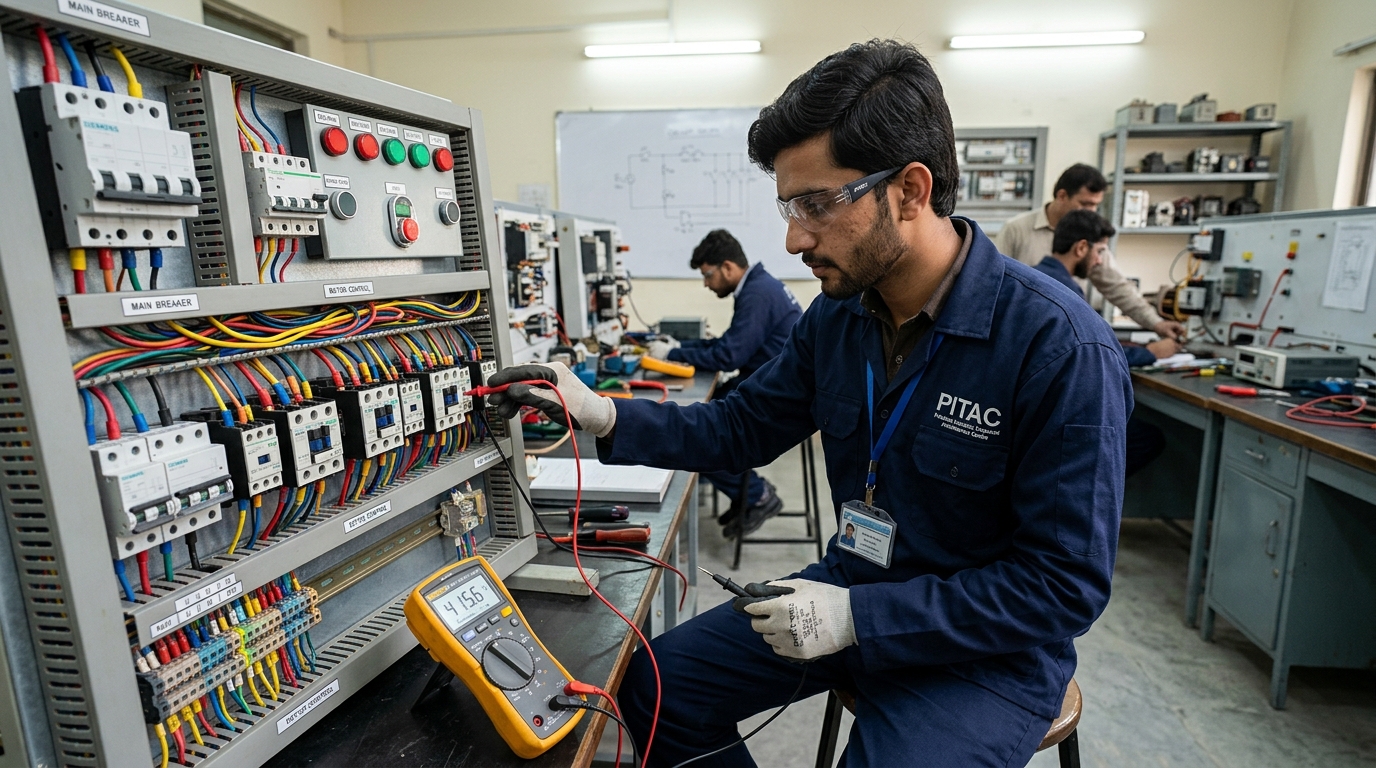
Industrial Electrician
Motor starters (DOL & Star-Delta), 3-phase DB panel dressing, wiring schematics, and multimeter fault diagnosis.
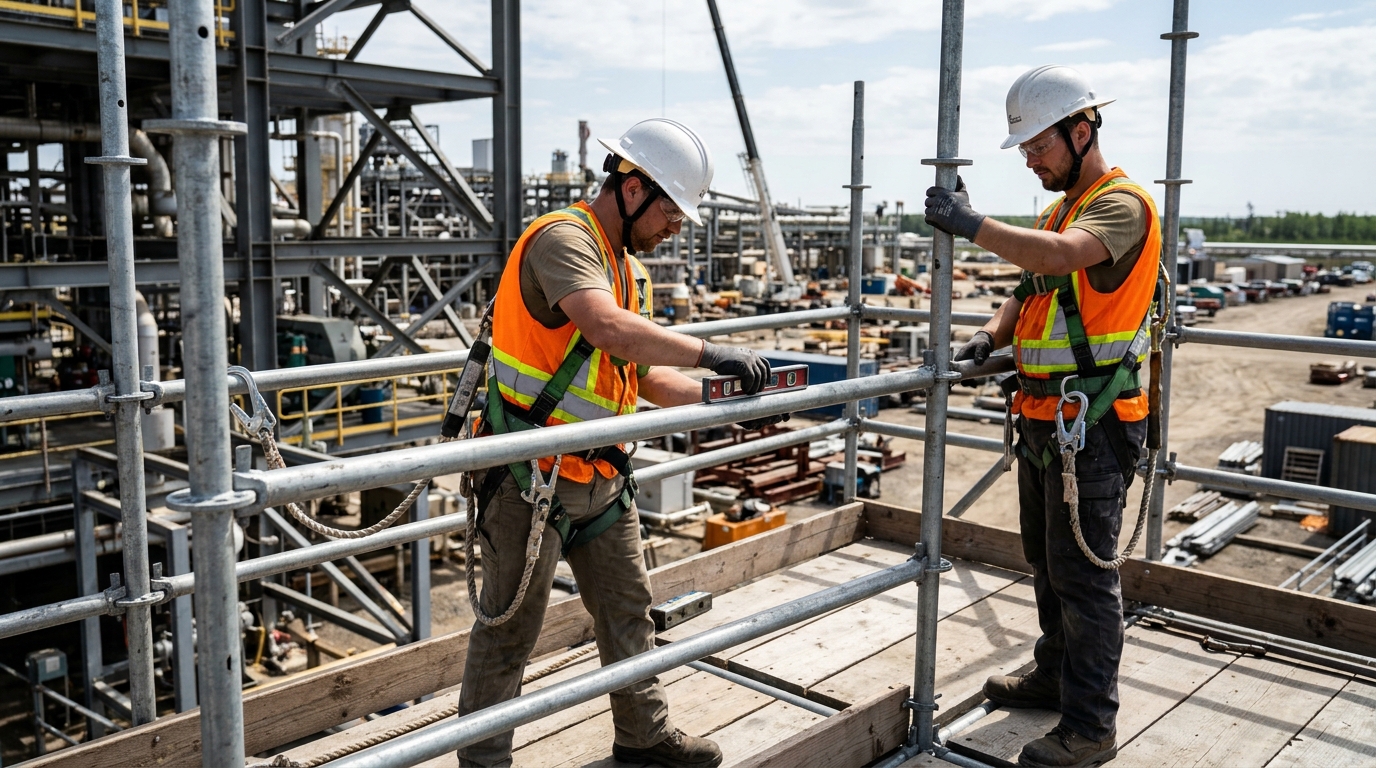
Scaffolder
Modular ringlock and cuplock steel scaffolding erection, full-body harness safety, ledger leveling, and inspection.
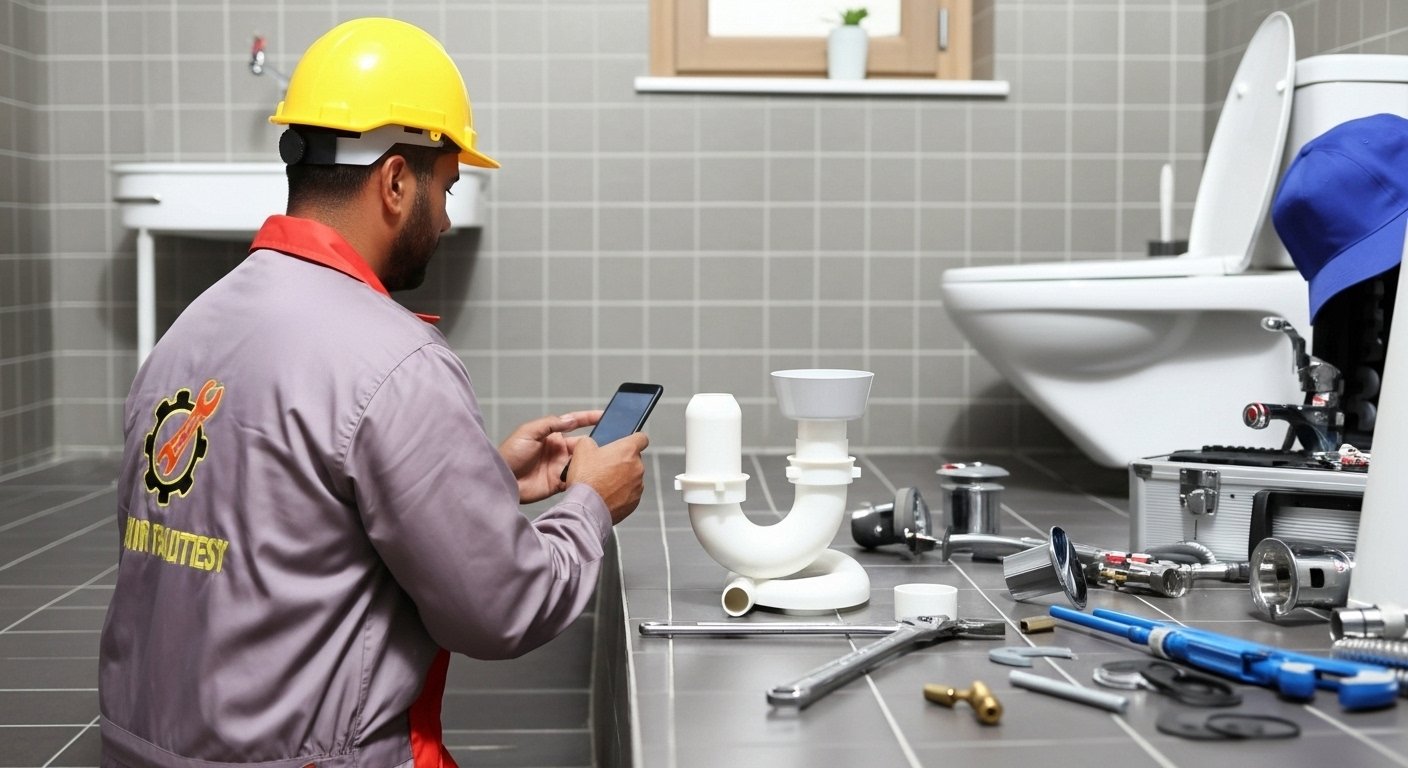
Plumber & Sanitary Specialist
Commercial sanitary installation, PPRC hot/cold water fusion, UPVC drainage systems, and hydrostatic pressure testing.
How to Enquire About Rigger Training Admission
Follow these straightforward steps to confirm current batch availability, course details, and introductory fee discounts before visiting.
Contact the Centre via Phone or WhatsApp
Call 0300-7365255 or 0300-7322762 to connect directly with the Ashtar technical training admissions desk.
Ask About Current Rigger Training Availability
Confirm upcoming batch dates, training slot openings, and workshop availability for Rigger Training in Multan.
Confirm Eligibility & Required Identification
Check basic entry prerequisites and confirm which documents (CNIC copy, photographs) are required for enrolment.
Ask About Current Fees & the 30% Discount Offer
Inquire about the current course fee structure, payment schedule, and whether the introductory 30% offer is still open.
Confirm Campus Location & Schedule Before Visiting
Verify campus working hours and arrange your visit to our Usman-e-Ghani Road Multan campus for formal registration.
Frequently Asked Questions About Rigger Training
Get clear, honest answers regarding Rigger Training, admissions, fees, and safety standards at Ashtar Multan.
Q1. What is Rigger Training?
Rigger Training introduces the responsibilities, equipment and safety principles involved in preparing and handling loads for lifting operations.
Q2. Where can I enquire about Rigger Training in Multan?
You can contact Ashtar Trade Test & Technical Training Centre using the phone numbers published on this page (0300-7365255 or 0300-7322762) to confirm current availability.
Q3. What does a rigger do?
A rigger helps prepare loads for lifting, checks appropriate lifting accessories and communicates with the lifting team while following approved safety procedures.
Q4. What equipment is used in rigging?
Equipment may include slings, shackles, hooks and other suitable lifting accessories, depending on the operation.
Q5. Is Rigger Training suitable for beginners?
Suitability depends on the particular programme and its entry requirements. Ask the centre to confirm its current eligibility criteria.
Q6. How long does Rigger Training take?
The duration depends on the actual programme offered by the centre. Contact the centre for verified details.
Q7. What is the fee for Rigger Training in Multan?
Contact the centre to confirm the current fee and whether the advertised 30% discount is still available.
Q8. Is there a discount on Rigger Training admissions?
The advertised offer is 30% off for the first 20 admissions, subject to the centre confirming that the offer is still valid and explaining its terms.
Q9. Does completing Rigger Training guarantee an overseas job?
No. Training alone does not guarantee employment, overseas travel or a visa. Outcomes depend on individual qualifications, employers and applicable requirements.
Q10. How can I contact Ashtar Trade Test Centre?
Call 0300-7365255 or 0300-7322762, or visit the official website at https://www.ashtartradetest.com/.
Interested in Rigger Training in Multan?
Contact Ashtar Trade Test & Technical Training Centre to ask about current Rigger Training availability, admission requirements, course details and the advertised introductory offer.
ASHTAR TRADE TEST & TECHNICAL TRAINING CENTRE
Usman-e-Ghani Road, Near Bright Hall School, Multan, Pakistan
Office Hours: Monday – Saturday (9:00 AM – 6:00 PM) | Friday Break: 1:00 PM – 2:30 PM
Explore Other Technical Training & Trade Tests
Official technical trade courses and testing bays in Multan.