
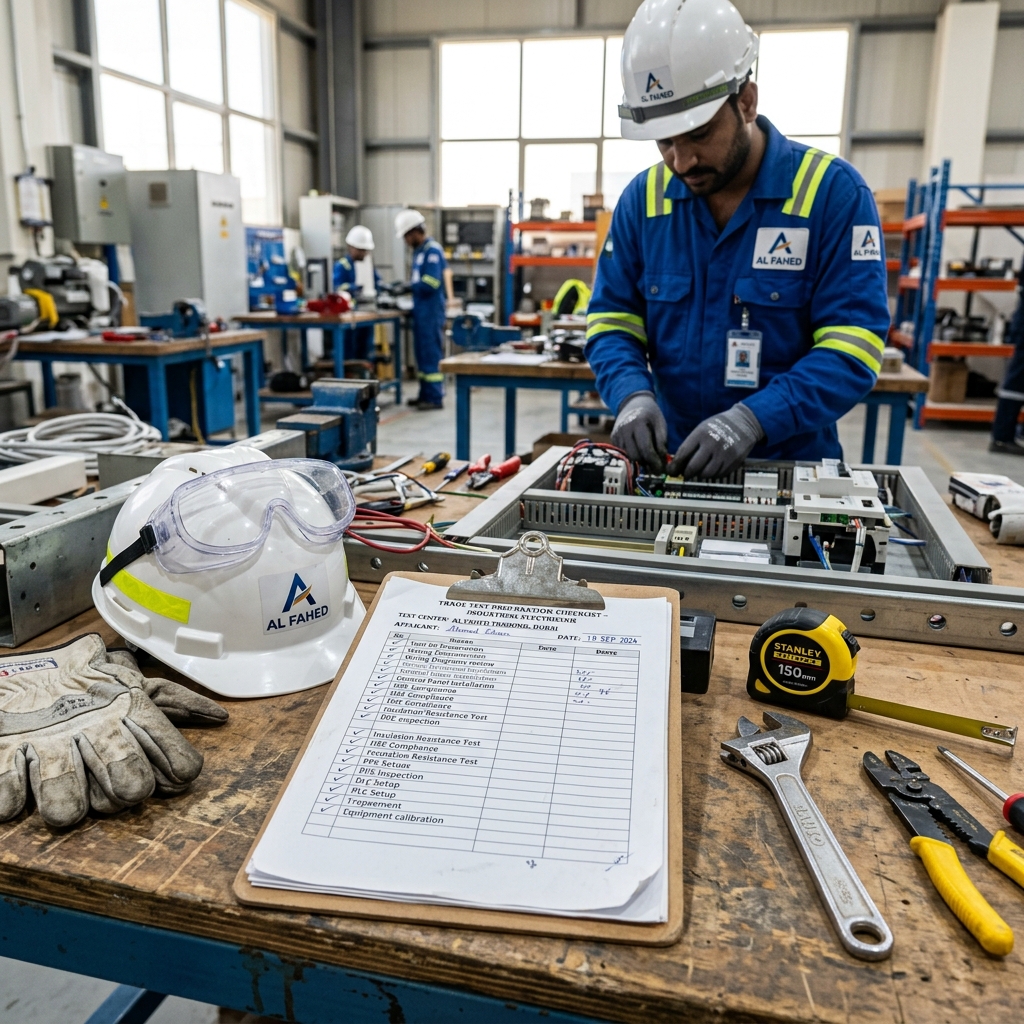
The Ultimate Trade Test Preparation Checklist
Everything you need to know, pack, and prepare mentally before you step into your Gulf trade test evaluation.
Landing a lucrative job in the Gulf—whether in Saudi Arabia, UAE, Qatar, or Oman—is a dream for thousands of skilled tradespeople. However, the golden ticket to these opportunities is passing the rigorous Gulf Trade Test.
A trade test isn't just a formality; it is a comprehensive evaluation of your skills, your adherence to international safety standards, and your ability to perform under pressure. Many highly skilled workers fail not because they lack the technical ability, but because they are unprepared for the specific expectations of Gulf employers.
At Ashtar Trade Test Center, we have evaluated thousands of candidates. We've seen exactly what separates the successful applicants from those who are sent home. To help you succeed, we have compiled the ultimate, comprehensive preparation checklist.
Why Preparation is Non-Negotiable
Gulf companies demand high standards because of strict labor laws and project deadlines. Your trade test evaluator isn't just looking at the finished product; they are watching how you work. Are you safe? Are you efficient? Do you respect the tools? This guide covers all these aspects to ensure you are 100% ready.
Phase 1: The Essential Document Checklist
Before you even touch a tool, your paperwork must be flawless. Missing documents can lead to immediate disqualification. Gulf employers are meticulous about documentation to ensure strict compliance with visa and immigration regulations.
Identification & Travel Documents
- Original Passport:
Must have at least 6 months of validity remaining (12 months highly recommended). Check for any physical damage or missing pages.
- CNIC / National ID Card:
Original computerized ID card. Bring 5-6 crisp, clear photocopies of both the front and back.
- Passport-sized Photographs:
Bring at least 10 recent photographs with a white background. Gulf visas strictly require white backgrounds. Do not wear glasses or hats in the photo.
Professional Credentials
- Updated Resume/CV:
Tailored specifically to the trade you are applying for. Highlight relevant Gulf or international experience if you have any.
- Experience Letters:
Original letters from previous employers proving your years of experience in the trade, on official company letterhead.
- Technical Diplomas/Certificates:
Degrees, DAE, or short-course certificates relevant to your field (e.g., NEBOSH for safety, specific welding certs like 6G, electrical licenses).
Pro Tip: Organization mattersKeep all original documents in a waterproof, clear plastic folder. Keep two separate, completely collated sets of photocopies in a different compartment of your bag. Being organized shows professionalism from the moment you walk in.
Need a comprehensive printable paperwork checklist?
Review our dedicated Trade Test Documents Checklist in Pakistan covering 9+ technical trades.
Phase 2: Psychological and Mental Preparation
Trade tests are high-pressure environments. You might have 10 years of experience, but if your hands shake, you sweat profusely, or you rush through a task, you will lose critical points. Mental preparation is just as critical as technical skill.
1. Understand the Evaluator's Mindset
Evaluators (often representatives from the hiring Gulf company) are not there to trick you. They are there to ensure you won't be a liability on a multi-million dollar construction site in Dubai, Riyadh, or Neom. They are actively observing:
- Safety First (Zero Tolerance): This is the #1 reason candidates fail. If you start a welding test without checking your visor, or climb a ladder without maintaining three points of contact, you fail immediately. No exceptions.
- Methodology over Speed: A slow, methodical worker who produces a perfect, precise result is vastly preferred over a fast worker who makes sloppy mistakes. They want it done right the first time.
- Resourcefulness & Composure: How do you react if a tool isn't working perfectly? Do you complain and throw your hands up, or do you calmly assess the situation and find a safe workaround?
2. The Night Before the Test
Do not practice late into the night. Your skills are already built. Cramming physical labor only leads to fatigue. Instead:
- Get at least 8 solid hours of sleep.
- Hydrate well. The test environments can get warm.
- Plan your travel route to the test center to arrive at least 45 minutes early. Rushing builds anxiety.
- Visualize yourself completing the test calmly, safely, and perfectly.
Warning: The "Local Standard" Shock
Many highly experienced local workers are used to taking shortcuts (e.g., working without safety goggles, using improvised/broken tools, poor cable management). Do not do this during the trade test. Gulf standards follow strict OSHA or equivalent international guidelines. Treat the test environment as if it is a heavily monitored, top-tier international site. A single unsafe shortcut will end your test.
Phase 3: Technical Preparation & Gear
While reputable centers like Ashtar provide the heavy machinery, materials, and basic setups, arriving with proper gear and a refreshed technical mindset gives you an immense advantage.
Personal Protective Equipment (PPE)
Arriving in proper attire shows professionalism before you even speak. It signals that you take safety seriously.
Steel-Toe Safety Boots
Clean, OSHA-compliant safety shoes are mandatory. Absolutely no sneakers, sandals, or soft-toed boots.
Work Coveralls
Properly fitting, clean industrial coveralls (dangri). Ensure there are no loose threads or extreme oil stains.
Safety Glasses & Helmet
Standard hard hat and clear safety goggles. Protect your eyes from the very first minute on the floor.
Trade-Specific Gloves
Bring the right gloves (e.g., heavy leather gauntlets for welding, rubberized insulation gloves for electricians).
Trade-Specific Review Checklist
Before the test day, thoroughly review the specific blueprints, diagrams, standards, or codes relevant to your specific trade. Do not assume you remember everything.
- Electricians: Review standard Gulf wiring codes (often British Standards or IEC), Distribution Board (DB) dressing, three-phase motor terminations, and conduit bending.
- Plumbers / Pipefitters: Brush up on PPRC/PVC pipe joining techniques, pressure testing protocols, isometric drawing reading, and precise sanitary fitting alignments.
- Welders (TIG/MIG/ARC): Be ready for 3G, 4G, or 6G positions. Know your electrode classifications (e.g., 6010, 7018) and strict root/cap pass visual inspection requirements.
- Masons / Carpenters: Precision is everything. A 1mm-2mm deviation in leveling can mean failure in tile fixing, blockwork, or shuttering. Ensure you know how to use a spirit level perfectly.
Feeling unsure about Gulf standards? Need specific training before your test?
Explore Our Preparatory CoursesFrequently Asked Questions
Ready for your Gulf Trade Test?
Don't leave your career and future to chance. Prepare with the best facilities and walk into your evaluation with absolute confidence. Book your assessment or training today.